

Sindh opens 49 digital classrooms for differently-abled children
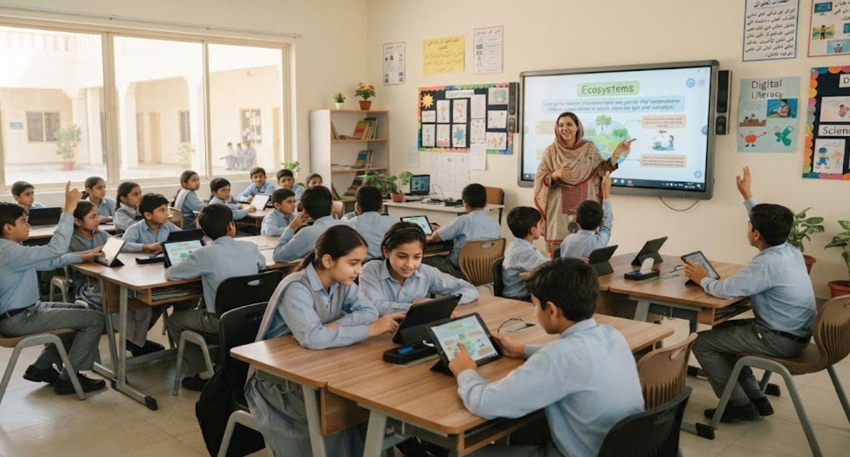
New digital classrooms launched
The facilities were inaugurated at the Government Special Education and Rehabilitation Complex in Gulistan-e-Jauhar. The initiative is expected to benefit around 1,230 children through special education Sindh services.
The digital classrooms Sindh program includes 49 classrooms at 37 Special Education and Rehabilitation Centers. These facilities will provide learning opportunities to around 754 deaf students.
Another 476 children are expected to benefit from 20 satellite schools Sindh launched under the initiative. The program aims to make specialized education more accessible to children who face difficulties reaching dedicated institutions.
The initiative has been developed by the Department of Empowerment of Persons with Disabilities (DEPD) in collaboration with Deaf Reach and the Family Educational Services Foundation (FESF).
Technology and sign-language training
The new facilities will provide smartboards, e-learning resources and other modern learning tools. Officials said the Sindh digital classrooms would help students access technology-based education closer to their communities.
The initiative also focuses on deaf students education through a new training program for sign-language teachers. The program aims to improve teachers’ skills and promote Pakistan Sign Language as an important part of inclusive learning.
Sindh Chief Minister Syed Murad Ali Shah said technology would help bring education closer to students regardless of where they live. The digital classrooms Sindh initiative is also expected to support wider access to special education Sindh services.
Read Also: Schools to be closed in Pakistan from tomorrow
Government support for special education
The Sindh government remains committed to supporting around 20,000 students enrolled in 67 specialized institutions across the province.
Officials said students receive rehabilitation, physiotherapy, speech therapy, transportation and nutritious meals. They also receive a monthly stipend of Rs3,000 free of cost.
The government also supports partner organizations through grant-in-aid programs aimed at improving services for differently-abled children.
DEPD Secretary Tuaha Ahmed Faruqui said demand for specialized education was increasing. Around 500 students are currently enrolled at two government facilities in Gulistan-e-Jauhar, while nearly 810 children are waiting for admission.
He said the department wanted to increase enrolment while helping children develop communication skills, confidence and vocational abilities. The focus on deaf students education is also intended to improve their ability to participate more fully in society.
Satellite schools target remote communities
Faruqui said DEPD, with support from the Sindh government and 140 partner organizations, had facilitated thousands of differently-abled people through education, rehabilitation services and assistive devices.
Deaf Reach founder Richard Geary said the satellite schools Sindh program could help children living in remote communities access specialized education without facing major geographical barriers.
Read Also: Two weekly holidays announced for educational institutions
The expansion of special education Sindh services could therefore give more families access to facilities closer to their homes. Officials said further expansion of technology-enabled education services is also planned.
The chief minister later visited classrooms at the complex, met students and teachers, and reviewed education, rehabilitation and skills-development activities.
The launch marks another step toward expanding Sindh digital classrooms, improving deaf students education and making specialized learning more accessible for differently-abled children across the province.


