



Trump drops Strait of Hormuz fee plan after talks with Gulf leaders
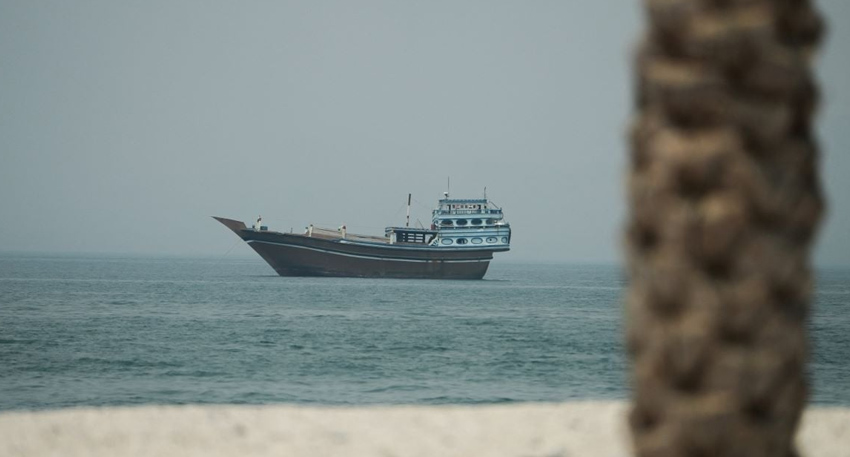
The decision came just hours before the proposed fee was due to take effect. Trump said recent discussions with Gulf leaders convinced him to pursue trade and investment agreements instead of imposing charges on international shipping.
Earlier, Trump had suggested introducing the fee after Iran announced it had closed the Strait of Hormuz.
The United States had also reinstated a blockade on Iranian shipping following several days of military strikes linked to the ongoing conflict.
In a post on Truth Social, Trump said the Strait of Hormuz would remain open to all international shipping except vessels linked to Iran.
He added that Gulf countries would instead invest in the United States through new economic agreements.
The announcement immediately affected financial markets. Oil prices, which had risen earlier in the day, eased after investors learned that the proposed shipping fee would no longer be introduced.
The conflict between the United States and Iran has continued to increase tensions across the Middle East.
Recent military action has raised concerns that hopes for a lasting ceasefire may fade, creating further uncertainty for global energy supplies.
Read Also: Trump warns of strikes on Iran power plants, bridges if Tehran rejects negotiations
Iran responded by launching ballistic missiles at a US military base in Jordan. Bahrain also reported intercepting an aerial attack, while Jordan said it successfully shot down four ballistic missiles. Explosions were also reported in Bahrain’s capital, Manama.
Before the latest conflict, nearly one-fifth of the world’s oil and natural gas shipments passed through the Strait of Hormuz every day, making it one of the world's most important shipping routes.
Experts estimated that the proposed 20% transit fee could have generated nearly $240 million daily if it had been implemented.
However, the United Nations shipping agency opposed the proposal, saying there is no legal basis for mandatory fees on international vessels using global waterways such as the Strait of Hormuz.