

Trump warns of strikes on Iran power plants, bridges if Tehran rejects negotiations
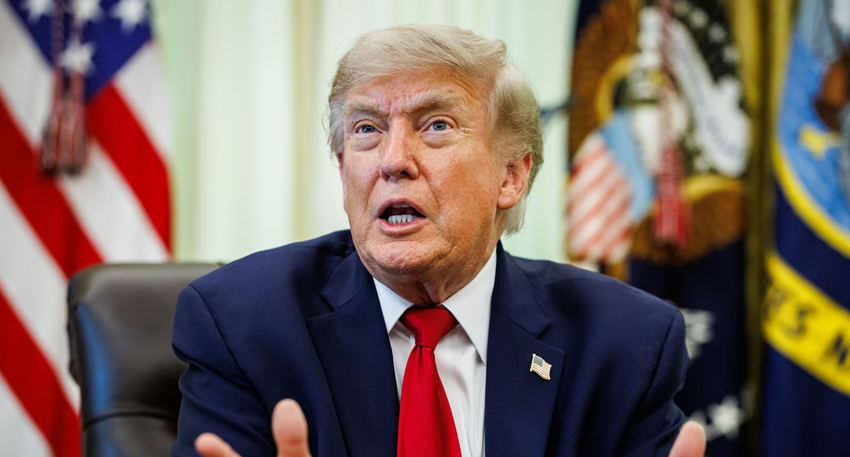
Speaking in a televised interview, Trump said military operations would continue “until I say it’s enough.” He claimed US officials had remained in contact with Iranian representatives in an effort to restart diplomatic talks despite rising US-Iran tensions.
The Trump Iran warning included a threat to expand military operations beyond military sites. Trump said Iran power plants and Iran bridges could become targets if Iran does not agree to a new deal.
“We’re going to knock out all their power plants. We’re going to knock out all their bridges unless they get to the table and negotiate,” Trump said, adding that Iran has “no choice” but to negotiate.
The latest Trump Iran warning comes after several rounds of US strikes on Iranian military positions. The recent military action has further increased US-Iran tensions, while Iran has vowed to continue responding to American operations in the region.
The growing US-Iran tensions have raised concerns about a wider conflict across the Middle East. Analysts say the situation could affect regional security, global trade, and energy supplies if fighting continues.
Trump also changed his position on the Strait of Hormuz. After earlier suggesting a 20% toll on ships using the strategic waterway, he said he no longer supports charging transit fees.
Read Also: US claims dozens of military targets destroyed in fourth wave of Iran attacks
Instead, Trump said Gulf countries would invest in the United States rather than pay tolls. The reversal came less than a day after the original proposal drew concern from allies and global shipping markets.
The Strait of Hormuz remains one of the world’s most important shipping routes, carrying nearly one-fifth of global oil and liquefied natural gas supplies. Experts say continued US-Iran tensions could disrupt energy markets and push prices even higher.
The latest Trump Iran warning has also increased fears that attacks on Iran power plants or Iran bridges could further destabilize the region if diplomacy fails.


