



Survivors of Iranian attack that killed six US troops demand accountability
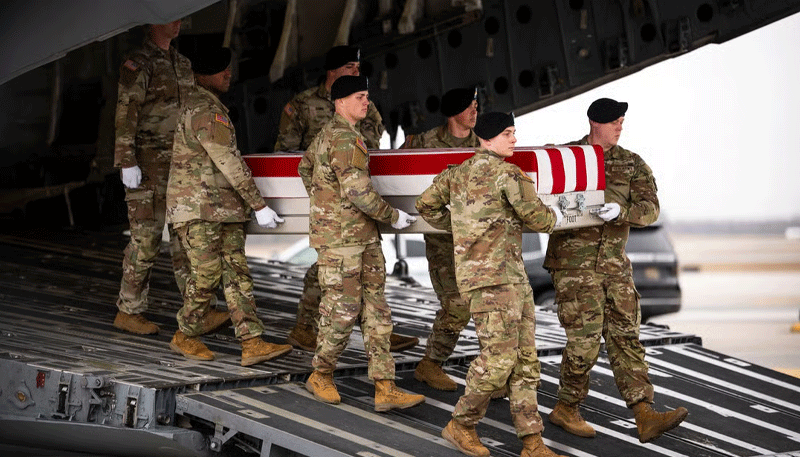
The survivors’ accounts have raised serious questions about decisions made before and after the attack.
The incident took place at Port Shuaiba in Kuwait during the early days of the US-Iran conflict. An Iranian drone struck a military operations center, causing a powerful explosion and a fire that killed six service members and injured dozens more.
According to soldiers who survived the attack, concerns had been raised before troops were moved to the facility. Some service members said intelligence reports suggested the location could become a target during any conflict with Iran.
Several survivors believe those warnings were not given enough attention. They argue that troops were sent to a site they considered vulnerable despite known risks.
The attack became one of the deadliest incidents for US forces during the conflict. Families of victims and fellow soldiers are now seeking answers about whether more could have been done to prevent the tragedy.
Some soldiers also expressed frustration over the military’s response after the strike. They questioned whether leadership acted effectively during the emergency and whether wounded personnel received proper support.
The US Army has defended its planning and leadership decisions. Military officials say the facility was selected according to operational requirements and had protective measures in place.
Also read: Iran targets US assets in Bahrain and Jordan as Hormuz tensions deepen
Officials have also stated that investigations examined intelligence and defense preparations surrounding the attack. However, some survivors remain concerned that no one may be held responsible for any mistakes that may have occurred.
The military has completed investigations into the incident, although some findings have not yet been publicly released. This has fueled further debate among soldiers and families seeking greater transparency.
The tragedy has become a symbol of the human cost of the US-Iran conflict. It has also intensified discussions about troop protection, military accountability and decision-making during wartime.
Many of the surviving troops continue to deal with physical and emotional effects from the attack. Their testimonies have drawn attention to the challenges faced by service members during and after combat operations.
The claims made by survivors have increased pressure on military leaders to explain what happened before the attack. Many people want to know whether warning signs were missed and whether different decisions could have saved lives.
The case also highlights the importance of protecting troops in high-risk areas. Future investigations may determine whether lessons from th