

Sindh increases minimum wage to Rs43,000 for workers
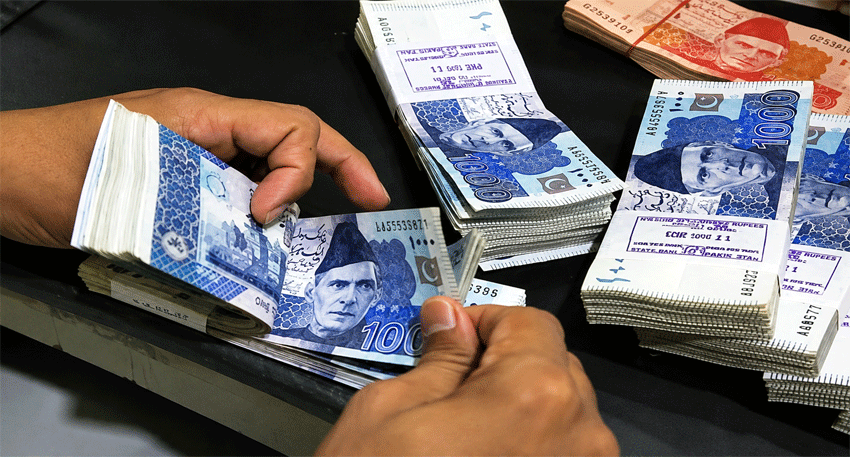
Sindh approves higher minimum wage
The Sindh cabinet approved a 7.5 percent increase in the Sindh minimum wage after accepting recommendations from the Minimum Wages Board.
Under the new decision, the monthly minimum wage for unskilled workers has been raised from Rs40,000 to Rs43,000.
The revised Sindh minimum wage will take effect from July 1 and will apply to employees working in notified industrial and commercial establishments across the province.
More workers to receive higher salaries
The government said the increase is aimed at providing better financial support to workers as living costs continue to rise.
Officials believe the revised Sindh minimum wage will help improve the earnings of thousands of employees working in different industries.
Also read: PM delays MDCAT 2026 as PMDC reveals fresh exam schedule
Wage rates revised for skilled workers
Along with the increase for unskilled workers, the cabinet also approved new wage rates for semi-skilled, skilled and highly skilled workers.
The revised salary structure has been designed to ensure that employees at different skill levels receive better wages under the updated Sindh minimum wage policy.
Although the government has confirmed the revised wage categories, the detailed salary rates for each skill level are expected to be issued separately through official notifications.
When will the new wages apply?
According to the decision, the new wages will be effective from July 1.
Employers covered under the notified industrial and commercial sectors will be required to implement the revised Sindh minimum wage for eligible workers.
The government expects the increase to improve workers’ incomes while encouraging compliance with labour laws across Sindh.
Also read: IHC raises judges’ transport allowance to Rs250,000
Why was the increase approved?
The Sindh cabinet approved the increase after reviewing recommendations submitted by the Minimum Wages Board.
Officials said updating wages is necessary to keep workers’ earnings in line with changing economic conditions and rising household expenses.
The move is also intended to strengthen labour protection by ensuring employees receive fair compensation for their work.