


Federal Constitutional Court overturns Monal Restaurant demolition order at Pir Sohawa
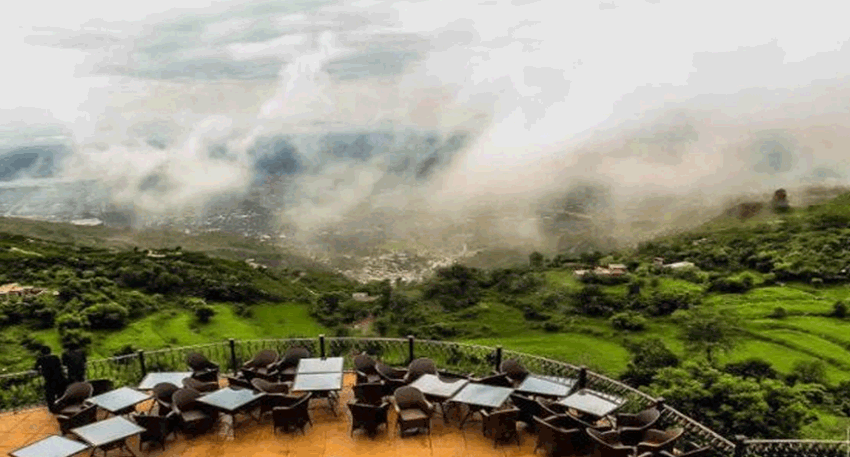
The Federal Constitutional Court set aside the decision ordering the demolition of Monal Restaurant and directed trial courts to independently decide the ownership dispute without being influenced by earlier judicial observations.
The court also vacated the stay order that had previously been in place, while accepting the appeals filed by the CDA and the Metropolitan Corporation.
The court instructed trial courts to decide the pending cases as quickly as possible, clarifying that matters relating to administration and regulation should instead be determined by the relevant regulatory authorities.
Also Read: Supreme Court announces 18 law clerk vacancies for 2026
During the hearing, Justice Hassan Azhar Rizvi observed that several important aspects had not been considered in the earlier Supreme Court judgment. He also expressed displeasure over the filing of the original case and the subsequent review petition.
Justice Rizvi told counsel not to praise the bench, saying the court would rule only on the basis of the proceedings before it and would not include narratives that fell outside the scope of the case.
He remarked that on reading the earlier judgment, it appeared several observations had been recorded that went beyond what had actually been argued in court.
Senior counsel Ahsan Bhoon, representing the restaurants, told the bench the court had examined the case thoroughly during the hearing.
The Supreme Court had ordered the closure of Monal and the adjacent La Montana restaurant on August 21, 2024, and both were shut down the following month to protect the Margalla Hills National Park's biodiversity.
The federal government, through Additional Attorney General Chaudhry Aamir Rehman, had backed the CDA's review petition against the demolition orders, arguing that around 113 other similar structures still existed in the Margalla Hills.
The case has moved through multiple rounds of litigation since 2022, with the CDA and Monal Group repeatedly challenging closure orders while the Supreme Court, under then-Chief Justice Qazi Faez Isa, maintained that commercial activity inside the protected national park was unlawful.