



Boost for teachers as BISE Lahore raises exam duty payments up to 50%
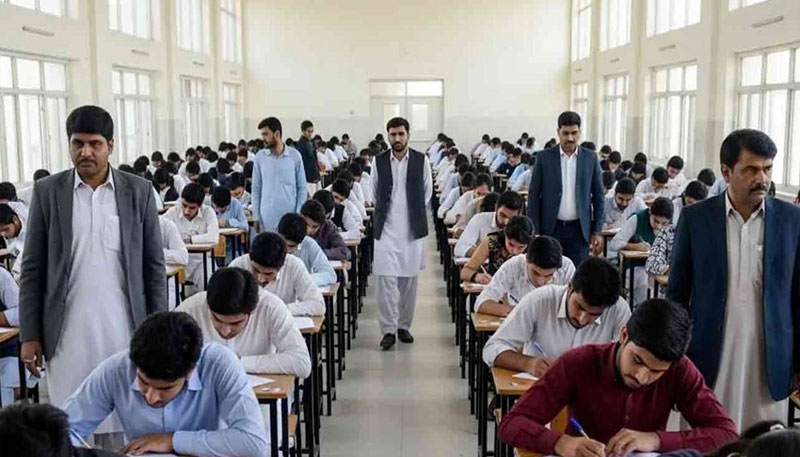
The decision brings major relief for teachers and exam staff. The decision is expected to benefit thousands of people involved in conducting examinations.
The Board of Intermediate and Secondary Education Lahore announced the increase in payments for teachers and other staff performing examination duties. The move has been welcomed as a significant step to recognize their hard work and responsibilities.
Under the new rates, superintendents, deputy superintendents, invigilation staff, mobile inspectors, distributor inspectors and practical examiners will receive higher payments than before. Officials say the revised payments are aimed at improving motivation and performance during examinations.
According to the new structure, the daily payment for a superintendent has been increased from Rs1,560 to Rs2,340. The payment for a deputy superintendent has been raised from Rs1,260 to Rs1,800.
Invigilation staff will now receive Rs1,500 per day instead of Rs1,000. The board has also increased payments for other officials responsible for monitoring examinations and ensuring transparency.
Also read: Rs200 billion burden on consumers okayed: How much will electricity bills rise again?
The payment for a mobile inspector has been increased from Rs1,080 to Rs1,620. Distributor inspectors will now receive Rs1,800 instead of Rs1,200.
Practical examiners have also received a substantial increase in payments. Their compensation has been raised from Rs1,540 to Rs2,310.
Controller of Examinations Lahore Board Tauseef ur Rehman said the increase was approved in recognition of the dedication, honesty and valuable services of teachers and examination staff. He noted that these individuals play a vital role in maintaining an effective examination system.
He added that teachers and examination staff are essential for conducting transparent, organized and timely examinations. According to him, the new payments will encourage greater interest, commitment and responsibility in examination duties.
The announcement has generated interest among educators because examination duties often require long working hours and extra effort. Many teachers believe the revised rates better reflect the importance of their contribution to the examination process.
The increase in exam duty payments is likely to improve morale among teachers and examination staff. Better compensation can encourage greater commitment and help maintain high standards during examinations.
The decision may also make exam duties more attractive in the future. If staff feel properly rewarded, the quality and transparency of examinations could improve further.