



Rs200 billion burden on consumers okayed: How much will electricity bills rise again?
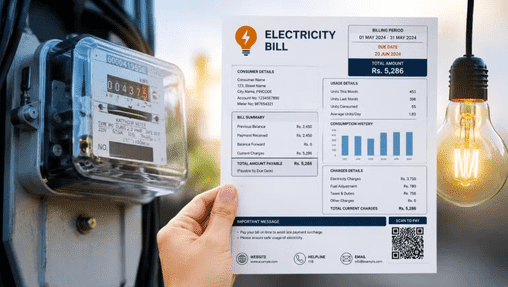
The decision has raised fresh concerns among households and businesses already struggling with rising energy costs.
According to sources, the National Grid Company had requested permission to recover various system-related expenses incurred during the last three financial years. The request was submitted to the National Electric Power Regulatory Authority for approval.
After holding hearings and reviewing records along with the positions of all parties, NEPRA issued its written decision. The regulator approved the recovery of nearly Rs200 billion from electricity consumers.
Sources said the recovery process is expected to begin from August 1, 2026. The amount will likely be collected through electricity distribution companies operating across the country.
These companies include Lahore Electric Supply Company and all other government-owned distribution companies. Consumers may see the impact through future tariff adjustments on their electricity bills.
According to reports, distribution companies could be allowed to collect additional amounts through tariffs. As a result, the per-unit cost of electricity may increase further in the coming months.
Also read: Junior Traffic Warden posts introduced for first time in Punjab
Sources said the final details regarding the recovery method, per-unit increase and impact on different consumer categories are expected to be announced later. The exact financial burden on domestic, commercial and industrial users has not yet been disclosed.
Following NEPRA’s decision, concerns have emerged about another increase in electricity bills. Consumers are already facing high power tariffs, taxes, surcharges and fuel adjustment charges.
Energy experts warn that if the full Rs200 billion burden is passed directly to consumers, electricity bills could rise significantly. They say the impact may affect not only households but also businesses and industries.
Meanwhile, consumers have urged the government to reduce system losses and administrative expenses instead of placing additional costs on the public. Many believe long-term reforms are needed to make electricity more affordable.
The approval of this recovery plan could become a major issue for electricity consumers. Any increase in tariffs may put additional pressure on household budgets and business costs.
Experts believe the government will face growing demands to improve efficiency in the power sector. How the burden is distributed will determine the real impact on consumers.