

Qatar PM heads to Tehran to revive Iran-US mediation efforts
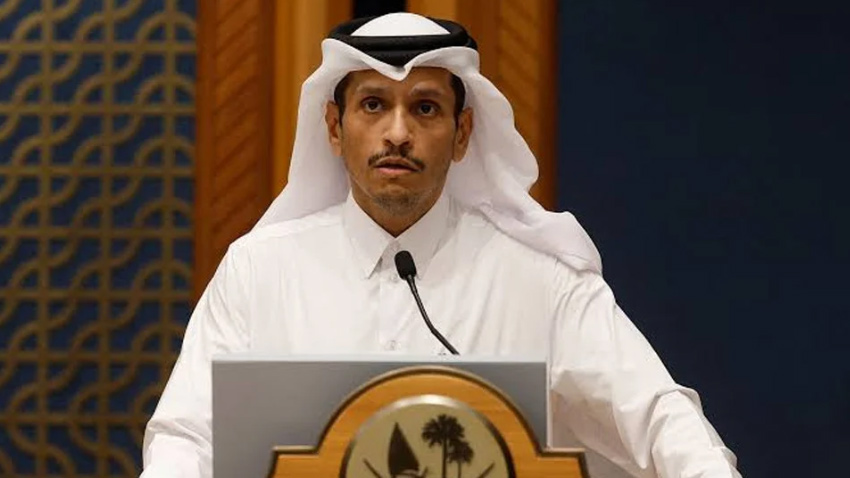
Qatar seeks to restart stalled diplomacy
Iran and the United States remain divided over several major issues despite a broader pause in fighting. The war is approaching its sixth month, while diplomatic efforts have yet to produce a lasting agreement.
Qatari officials say Sheikh Mohammed will discuss the continuation of Qatar’s mediation efforts and other regional developments with Iranian officials. The visit is aimed at reducing tensions and creating conditions that could allow direct or indirect dialogue to resume.
Strait of Hormuz remains a major obstacle
The Strait of Hormuz remains one of the most sensitive issues in the dispute. The strategic waterway is a key route for global oil shipments and carried around 20 million barrels of crude oil per day before the conflict.
Iran has used control over the strait as leverage in its confrontation with Washington. The situation has also created concerns for international shipping companies and countries that depend on energy supplies passing through the waterway.
Oil flows through Hormuz fall sharply
Recent ship-tracking data showed that oil flows through the Strait of Hormuz had fallen to a three-month low. Around 5 million barrels of oil per day were reported to have passed through the waterway on Monday, compared with roughly 20 million barrels per day before the war.
The sharp decline highlights the impact of the conflict on one of the world’s most important energy routes. Any prolonged disruption could continue to affect oil markets, shipping activity and energy security.
Iran and Oman talks remain unresolved
Iran and Oman have held talks for several weeks over the management of traffic through the Strait of Hormuz. Iran’s Revolutionary Guards said on Wednesday that Tehran and Muscat had reached an understanding on sharing control of the waterway and its revenues.
However, a senior Iranian source later told Reuters that the agreement had not been finalised and that discussions over its details were continuing. The conflicting statements indicate that major issues remain unresolved.
Qatar pushes for freedom of navigation
Qatar’s Foreign Ministry said Sheikh Mohammed would also discuss freedom of navigation through the Strait of Hormuz during his Tehran visit. Doha wants the waterway to return to the situation that existed before February 28, when free navigation was in place.
Qatar also wants to help “de-escalate tensions and create the conditions conducive to dialogue.” The issue of navigation has become increasingly important as fewer ships pass through the waterway.
Iran sets conditions for reopening Hormuz
Iranian officials have linked the reopening of the Strait of Hormuz to conditions agreed during an interim ceasefire arrangement in June. According to an Iranian military spokesperson, those conditions include an end to the US blockade on Iranian ports, compensation and the removal of sanctions.
Iran has also sought greater control over the waterway and has discussed charging ships a commission for passage. The United States has opposed such efforts, leaving the two sides sharply divided over how the strait should be managed.
US increases economic pressure on Iran
While direct fighting has largely declined, Washington is increasing economic pressure on Tehran. The United States has announced plans to target countries and companies that continue trading with Iran through additional sanctions.
Also Read: Iran, Oman plan temporary Hormuz corridor as US impasse persists
The move is intended to restrict Iran’s economic activity and reduce its access to international trade. Iran has rejected the pressure campaign and continues to demand changes to US policies as part of any wider agreement.
Security risks remain around the waterway
Despite the reduction in fighting, the security situation around the Strait of Hormuz remains fragile. Iran retains missile and drone capabilities that could threaten Gulf states hosting US military bases and disrupt commercial shipping.
The International Maritime Organization has reported 70 incidents in the Strait of Hormuz since February 28, resulting in the deaths of 19 seafarers. The figures show the risks facing crews and vessels operating in the strategic waterway.
Qatar’s role becomes more important
Qatar’s position as both a Gulf neighbour of Iran and a US ally gives Doha a unique role in the diplomatic process. The country has previously acted as a communication channel between parties that have struggled to maintain direct contact.
Its involvement in securing the June ceasefire also strengthened its position as a potential mediator. The Tehran visit could therefore provide an opportunity to clarify positions and explore ways to reduce tensions.


