

Iran petrol shortage grows as Ghalibaf urges citizens to cut use
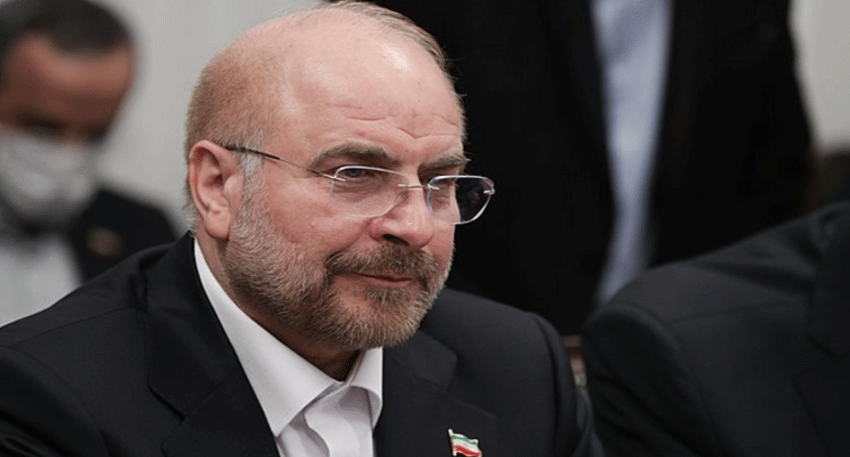
Iran asks citizens to save petrol
Iranian parliament speaker Mohammad Bagher Ghalibaf has called on citizens to use less petrol as the country struggles to secure enough fuel.
Ghalibaf said reducing fuel consumption had become necessary because domestic production was under pressure and imports were becoming difficult.
He made the remarks during a televised address as concerns over petrol supplies increased across the country.
“Of course, part of the responsibility for this high consumption does not lie with our people; it lies with our industry,” Ghalibaf said.
He added that the country still needed to reduce gasoline consumption despite the role played by the industrial sector.
“But in any case, what is clear is that we need to save gasoline in our consumption.”
The comments come at a difficult time for Iran’s economy, with the country facing wider pressure from sanctions, restrictions and the continuing conflict.
US blockade adds pressure to fuel supplies
The petrol situation has become more difficult following a US naval blockade of Iranian ports, according to Iranian officials.
Washington imposed the blockade after Tehran closed the Strait of Hormuz, an important route for global oil and gas shipments from the Gulf region.
The United States has also introduced new sanctions designed to increase economic pressure on Iran and limit its ability to conduct international trade.
Iranian officials have linked the blockade to growing difficulties in importing petrol.
Vice President Mohammad Jafar Ghaempanah said last week that domestic production was not enough to meet the country’s requirements.
He said petrol production was “insufficient, and because of the US naval blockade, we cannot import it”.
The warning has added to concerns about whether Iran can maintain normal fuel supplies while restrictions on imports remain in place.
Meanwhile, long queues of vehicles have reportedly appeared at petrol stations in Tehran in recent days.
The situation has also raised questions about possible changes to fuel quotas. The Iranian president’s chief of staff had earlier said petrol quotas would be reviewed.
Ghalibaf calls for public cooperation
Ghalibaf said managing the fuel situation would require cooperation from ordinary citizens as well as action by government institutions.
He argued that Iran could manage its petrol needs if people used the available fuel carefully and avoided unnecessary consumption.
“Conserving fuel requires collective wisdom and certainly requires the people’s cooperation,” he said.
Ghalibaf also said Iran could manage with the petrol produced domestically if consumption was controlled.
“If we consume it properly, we can manage with the amount of gasoline we produce in the country,” he said.
His remarks suggest that authorities are looking at reducing demand as one way to deal with the pressure on fuel supplies.
For motorists, however, any reduction in petrol availability or changes to quotas could create additional difficulties, particularly if queues at petrol stations continue.
Economic pressure raises wider concerns
The petrol problem comes as many Iranians are already dealing with high inflation and weaker economic prospects.
The wider economic pressure has increased public concern about household expenses and access to basic goods.
Against this backdrop, Ghalibaf announced that the government and parliament also planned to expand support through electronic food subsidies.
“The government and parliament are determined to increase the credit allocated to the electronic food subsidy programme, especially for those income deciles that are bearing the greatest share of the economic pressure,” he said.
The proposed support is aimed particularly at lower-income groups facing the strongest financial pressure.
The move shows that officials are trying to address both fuel concerns and the wider economic difficulties facing households.
Also Read:US strikes Iran again as explosions rock southern regions
Previous economic protests remain a concern
Iran has already experienced public demonstrations linked to economic problems.
Protests that began over economic concerns in December eventually developed into a wider anti-government movement. The demonstrations reached their peak in January before being brought under control.
Ghalibaf said the government’s focus should remain on reducing pressure on the public and preventing further dissatisfaction.
“In fact, all our efforts as officials should be aimed at reducing the pressure on the people so that there is less dissatisfaction, because the people’s satisfaction is a fundamental principle for us,” he said.
His comments underline the sensitivity of the current economic situation.
Fuel is an important part of everyday life, and shortages or higher restrictions can quickly affect transportation, businesses and household budgets.
What the petrol crisis means for Iran
Iran’s current fuel problem appears to be connected to several pressures happening at the same time.
Domestic petrol production is being described by officials as insufficient, while the US blockade is making imports more difficult.
At the same time, sanctions are increasing pressure on Iran’s economy and limiting its room to respond.
The appearance of long queues at petrol stations suggests that the problem is already being felt by motorists in Tehran.
Any future changes to petrol quotas could therefore become an important issue for the public.
For now, Ghalibaf is asking citizens to help manage the situation by reducing unnecessary fuel consumption.


