
How an art dealer built a multimillion-dollar empire from looted treasures
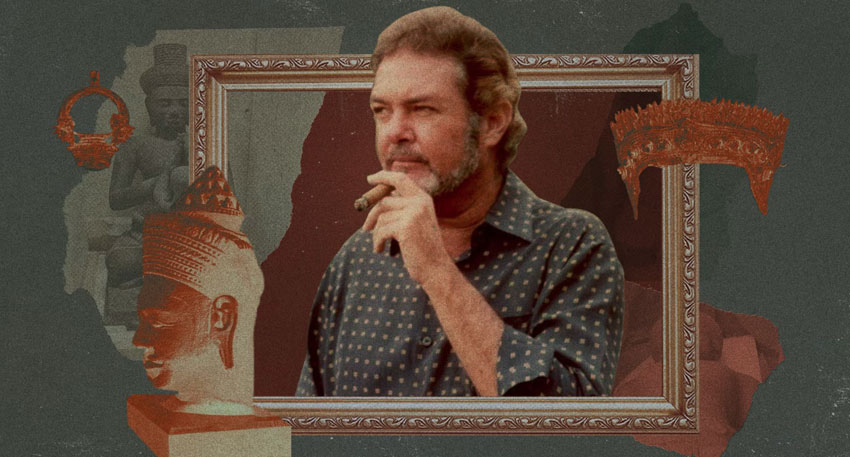
For decades, the British art dealer was a respected figure in the international art market. Investigators now believe many of the artifacts he handled were illegally removed from ancient Cambodian temples.
From respected scholar to accused trafficker
Douglas Latchford earned a reputation as an expert on Khmer art and authored several books on the subject. He supplied collectors and museums with statues, carvings and sculptures linked to the Khmer Empire.
The Khmer Empire flourished across present-day Cambodia and parts of Southeast Asia between the 9th and 15th centuries. Its temples contained thousands of valuable religious and cultural artifacts.
US investigators allege that many of the artifacts sold by Latchford were looted from sites including Angkor Wat and Koh Ker. The objects were reportedly removed during years of conflict and political instability in Cambodia.
Looters allegedly used basic tools and, in some cases, explosives to extract statues from temples. The artifacts were then transported across the Thai border before entering the international art market.
How the trafficking network operated
According to investigators, local looters sold artifacts to middlemen who moved them to dealers in Thailand. Prosecutors claim Latchford then used false records and fabricated ownership histories to sell the items legally.
Many of the artifacts later appeared at major auction houses and prominent museums. Several pieces eventually entered private collections owned by wealthy buyers.
In 2019, US authorities charged Latchford with wire fraud, smuggling and conspiracy. Prosecutors described him as a key figure in the trade of stolen Cambodian antiquities.
Latchford denied any wrongdoing throughout his life. He died in Thailand in 2020 at the age of 88 before he could face trial.
Museums return Khmer artifacts to Cambodia
In recent years, museums and collectors have returned dozens of Khmer artifacts linked to Latchford. Institutions involved include the Metropolitan Museum of Art, the Denver Art Museum and the National Gallery of Australia.
Experts say the repatriation efforts have reshaped the global market for Khmer art. Many artifacts connected to Latchford are now considered impossible to sell publicly.
Latchford’s daughter, Julia Latchford, also known as Nawapan Kriangsak, returned more than 100 Khmer artifacts to Cambodia. She later agreed to settle a US civil case involving her father’s estate.
As part of the settlement, the estate forfeited $12 million linked to the sale of stolen antiquities. The agreement marked a major step in Cambodia’s efforts to recover its cultural heritage.
Former looters help investigators
Former looters played an important role in tracing the origins of stolen artifacts. Their testimonies helped investigators connect museum pieces to specific temple sites.
One former looter, Toek Tik, admitted participating in the removal of artifacts during Cambodia’s years of conflict. Before his death, he expressed regret and said, “I want the gods to come home.”
The scandal exposed weaknesses in how museums and auction houses verified the origins of ancient artifacts. Experts say ownership records were often accepted without thorough checks.
The case has increased pressure on museums to investigate the history of items in their collections. Cultural institutions are now facing growing demands to return artifacts to their countries of origin.
Also read: Iran-US deal details revealed
The Douglas Latchford case shows how conflict and weak oversight can lead to the loss of cultural heritage. It also highlights the responsibility of museums and collectors to verify where artifacts come from.
Cambodia’s efforts to recover stolen treasures have changed the global art market. The growing number of returns suggests that accountability in the antiquities trade is becoming more important.