

Putin and Xi gather in Kyrgyzstan as SCO summit draws attention
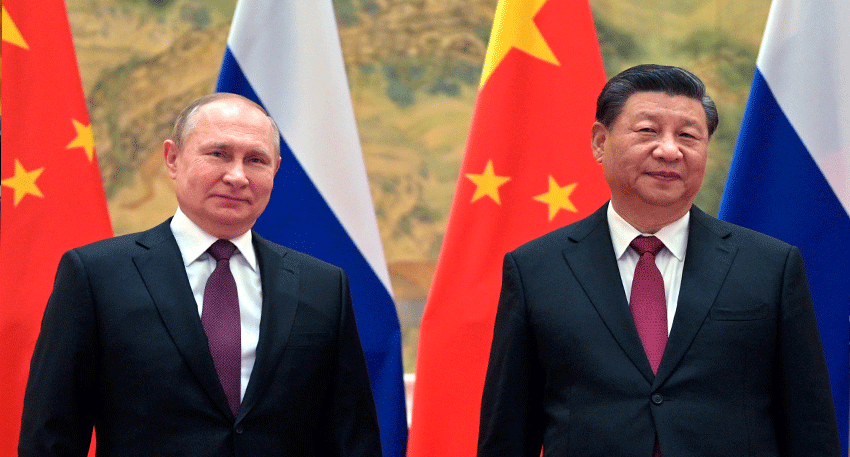
Russian President Vladimir Putin and Chinese President Xi Jinping are set to join other regional leaders in Bishkek for a two-day summit of the Shanghai Cooperation Organisation (SCO).
The meeting comes as the bloc marks its 25th anniversary. It is also taking place at a time when several member countries face wars, sanctions and growing trade tensions with Western countries.
The SCO includes Russia, China, India, Pakistan, Iran, Belarus and four Central Asian states. The group has become an important platform for political, economic and security discussions across the region.
Putin and Xi expected to push closer ties
Xi arrived in Bishkek on Sunday and described relations between China and Kyrgyzstan as being in a “golden period”.
His visit highlights China’s growing economic and political influence in Central Asia. The region has traditionally remained within Russia’s sphere of influence, but Beijing has expanded its role through trade, infrastructure and investment.
Putin and Xi have repeatedly used SCO meetings to promote the idea of a multipolar world. They have also called for stronger cooperation among countries outside the traditional Western-led system.
Iranian President Masoud Pezeshkian is also expected to participate in the summit. Pakistan’s Prime Minister Shehbaz Sharif and India’s Prime Minister Narendra Modi are among the leaders scheduled to attend the main session.
The meeting will be chaired by Kyrgyz President Sadyr Japarov. Turkish President Recep Tayyip Erdogan is also expected to attend, although Türkiye is not a full SCO member.
Putin is expected to hold separate meetings with Xi and Pezeshkian during the summit. Kremlin spokesman Yuri Ushakov said bilateral discussions with several other leaders are also expected.
SCO faces pressure from wars and sanctions
The summit is being held against the backdrop of the conflicts in Ukraine and Iran. Some SCO members are directly involved in these conflicts, while others have faced pressure because of their economic relations with sanctioned countries.
Russia and Iran have strengthened their military and economic relationship since Russia launched its invasion of Ukraine. Both countries have faced extensive Western sanctions.
China has also maintained important economic ties with Iran, particularly through energy trade. Washington has warned countries supporting Iran that they could face additional sanctions.
The United States has recently imposed secondary sanctions targeting Iran’s trading partners in areas including gold, technology, digital assets, aviation and maritime transport.
China, which imports Iranian oil, has said it will “firmly defend” its interests. Tehran has also repeatedly rejected Western pressure and maintained that economic sanctions will not force it to change its policies.
These tensions give the Bishkek summit added importance. Leaders are expected to discuss ways to increase cooperation while dealing with a difficult international environment.
Economic power gives SCO growing influence
The SCO was originally focused mainly on regional security and economic cooperation. Under increasing Russian and Chinese influence, however, the organisation has gained greater international attention.
The bloc now has 10 full members and 15 “dialogue partners”. Türkiye, Saudi Arabia and Qatar are among those partners, while Afghanistan and Mongolia hold observer status.
The organisation says it is “not an alliance directed against other states”. Still, its growing membership and cooperation have led many observers to view it as an important counterweight to Western influence.
The SCO countries collectively represent about 40 percent of the world’s population and around 25 percent of global gross domestic product.
However, the large bloc is far from united on every issue. Its members have different economic interests, political systems and foreign policy priorities.
India and China, for example, have experienced periods of strained relations. Russia and China also compete for influence in Central Asia, a region rich in natural resources and important for trade routes connecting Europe and Asia.
Also Read:Nepal flood death toll reaches 903 as 4,247 remain missing
What the summit could mean
The Bishkek meeting provides Russia and China with an opportunity to demonstrate that they have strong relationships with major countries across Asia.
For Putin, the summit comes as Moscow continues to face Western sanctions over the Ukraine war. For Xi, it offers another platform to strengthen China’s role in Central Asia and beyond.
Pakistan and India also have interests in greater regional connectivity and economic cooperation. Their participation shows the broad reach of the organisation despite political differences among members.
The summit is therefore about more than routine diplomatic meetings. It reflects the changing balance of influence across Asia and the growing importance of countries seeking closer cooperation outside Western alliances.


