

Nepal-Tibet border hit by deadly landslide as 95 die and 384 remain missing
Massive disaster strikes Himalayan region
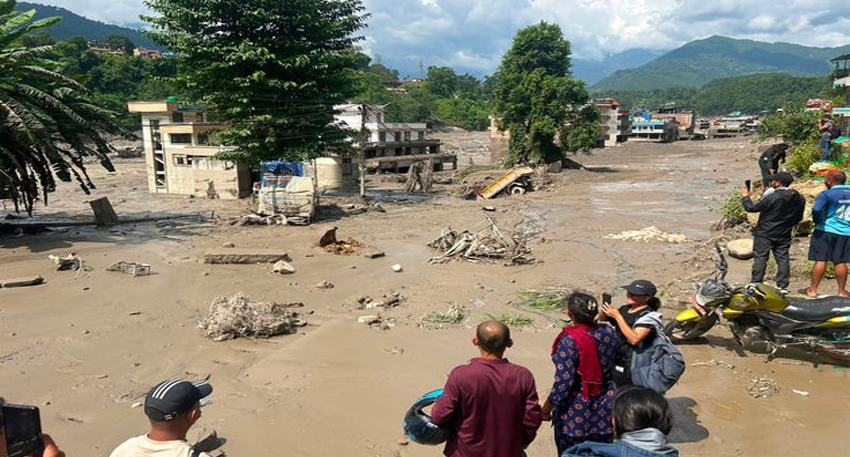
The disaster has turned into a major Himalayan disaster, with mud, rocks and floodwater sweeping through villages and damaging roads, bridges and buildings.
The Rasuwa disaster began after a huge landslide collapsed into the Lhende River. The sudden flow of water, mud and debris moved through parts of Nepal’s Rasuwa district, leaving widespread destruction behind.
Officials are still investigating the exact cause. Initial reports suggested that a 4.4-magnitude earthquake may have triggered an avalanche that contributed to the flooding.
Videos from the area showed people running for safety as the powerful flow carried rocks, vehicles and debris through the affected areas.
A massive mudslide struck Gyirong Port on the China-Nepal border, with CCTV footage showing a wall of debris slamming through the crossing in seconds, tossing vehicles and buses.
— Clash Report (@clashreport) August 26, 2026
Nepal reports at least 8-16 dead with hundreds of travelers listed as missing, including 291… pic.twitter.com/ZXfDIUaGsC
Hundreds of travellers missing
The Nepal Tourism Board has reported that 384 travellers are missing. They include 291 foreign nationals and 93 Nepali citizens.
More than 100 Indian nationals are reportedly among those unaccounted for. Citizens of the United States, United Kingdom and other countries are also believed to be missing.
The figures have made the Nepal landslide especially concerning because rescue teams are still trying to reach several isolated areas.
The hardest-hit locations include Syapru Besi and Timure. Homes, roads, bridges and power infrastructure have suffered heavy damage.
Nepal’s energy ministry said around 430 megawatts of electricity capacity had also been affected by the disaster.
Read Also: India faces UN rebuke over rights abuse of tribal peoples and Dalits
Damage reaches Tibet
The disaster has also affected areas across the border. In Gyirong Tibet, a landslide damaged roads, communication networks and power infrastructure.
Chinese authorities have warned about potentially heavy casualties in Gyirong County and have launched a major Nepal rescue operation-style search effort on their side of the border.
China has deployed hundreds of rescuers, while Nepal has mobilised security forces and helicopters to search for survivors and missing people.
Rescue work becomes difficult
The Nepal rescue operation is facing serious challenges. Destroyed roads, deep mud and high river levels have made it difficult for teams to reach affected locations.
The continuing risk of flooding is another major concern. Blocked waterways and further rainfall could trigger additional surges.
Authorities are closely monitoring the situation as teams work to locate missing people.
The scale of the Nepal flash flood has already caused severe damage, and officials fear the death toll could rise as rescuers reach areas that remain cut off.
Read Also: New monsoon spell begins across Pakistan, heavy rain forecast
What could happen next?
The Himalayan disaster has created a major emergency for both Nepal and China. The high number of missing travellers has increased pressure on rescue teams.
The Rasuwa disaster could also affect transport, electricity and local communities for some time.
With more rain possible, authorities must remain prepared for additional landslides and flooding. For now, the priority is finding survivors and confirming the whereabouts of those still missing.


