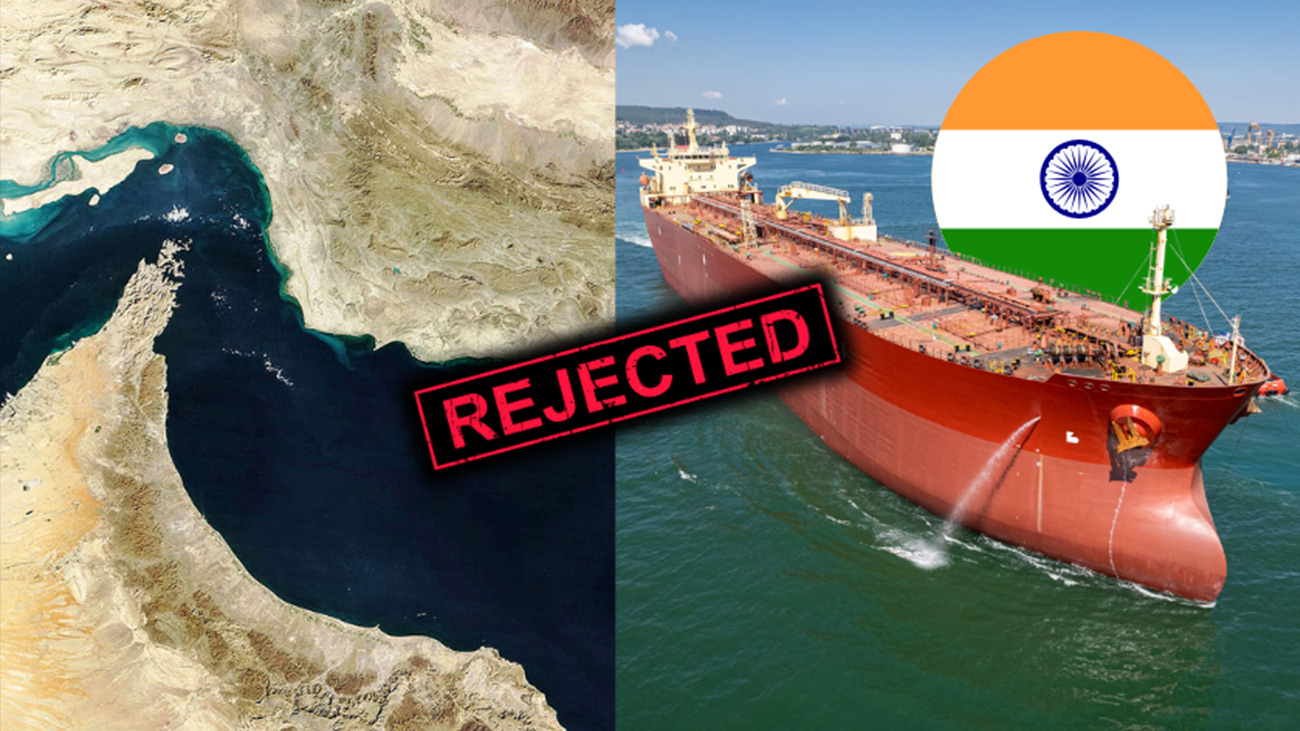
Iranian officials rejected reports claiming that Indian-flagged oil tankers had been permitted to safely pass through the strategic waterway. According to Iranian sources, no formal agreement exists allowing Indian vessels special access through the Strait of Hormuz.
The clarification came after reports in Indian media suggested that at least two Indian oil tankers had crossed the strait following discussions between India’s Foreign Minister S Jaishankar and Iran’s Foreign Minister Abbas Araghchi.
However, Iranian sources said these claims were inaccurate and stressed that the situation in the region remains uncertain.
Also Read: Iran to allow India-flagged tankers through Hormuz: Indian sources
Indian officials earlier suggested that New Delhi had secured assurances for the safety of its tankers. But neither India’s foreign ministry nor the Iranian embassy in New Delhi has officially confirmed any such arrangement.
Shipping traffic through the Strait of Hormuz has been severely disrupted since the United States and Israel launched attacks on Iran on February 28, escalating tensions across the region. The conflict has increased fears about the safety of one of the world’s most important oil routes.
Earlier reports indicated that Iran had deployed naval mines in parts of the strait, slowing down or stopping many oil and liquefied natural gas shipments passing through the corridor.
The Strait of Hormuz is vital for global energy markets. According to energy data, nearly 20 million barrels of oil move through the passage every day, representing about 20% of the global petroleum supply. A similar portion of the world’s liquefied natural gas trade also travels through this narrow route.
For India, the strait is particularly important because around 40% of its crude oil imports pass through the waterway. Any disruption could threaten the country’s energy supply and economic stability.
Also Read: Iran sets three conditions to end war with US and Israel
Meanwhile, a senior Iranian security official told Lebanon-based broadcaster Al Mayadeen that no ship had crossed the strait under US military protection. The official accused Washington of conducting “psychological warfare” aimed at influencing global oil markets.
Iran also warned that the strait could remain stable for all countries or face prolonged instability if tensions continue to escalate. Iranian military authorities further said that oil exports to “hostile parties and their partners” would not be allowed under wartime security rules until further notice.