

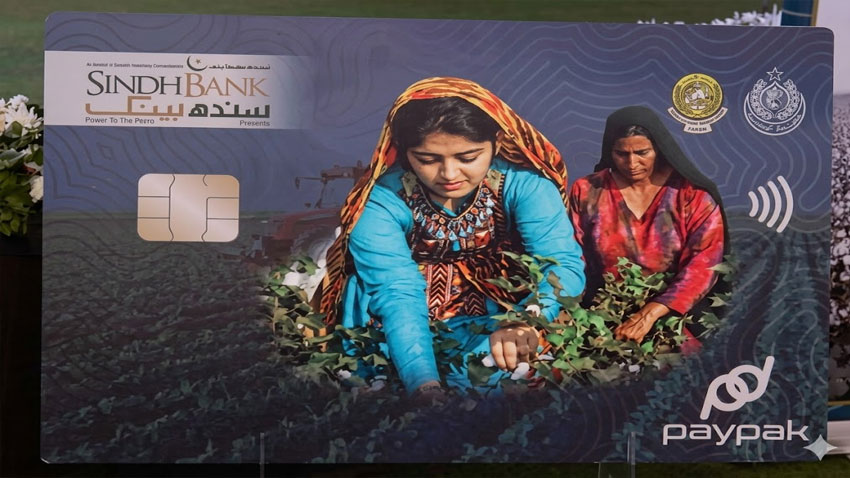
The cabinet approved the issuance of the Benazir women agriculture workers card to formally recognise women working in farming, livestock and fisheries. Along with the card, an endowment fund of Rs500 million will be established to support welfare programmes for women labourers in rural areas.
Officials said the Sindh Agriculture Women Workers Rules were also approved. Under these rules, women farm workers will receive equal wages, maternity facilities and workplace protection.
Briefing journalists after the cabinet meeting, Senior Minister Sharjeel Inam Memon said legal safeguards have also been included to protect women from harassment and discrimination. He said steps like these are being introduced for the first time in Pakistan.
The rules were developed with technical support from the International Labour Organization. The goal is to formally recognise the role of women in agriculture and ensure fair wages and safe working conditions.
Read more: Honda City Aspire offer surprises customers with free interior upgrade
The cabinet also approved the Student Attendance Monitoring and Redress System “SAMRS”. This digital policy is designed to tackle student absenteeism and rising dropout rates in schools across Sindh.
The system will introduce a mobile application and a digital dashboard to track enrolment and daily attendance. It will be used in schools run by the Sindh Education and Literacy Department, Sindh Education Foundation and other education management organisations. Officials say the system will be implemented across the province within one year.
Another decision taken by the cabinet was the approval of the Sindh Development and Maintenance of Infrastructure Cess (Second Amendment) Act, 2026 after consultations with the business community.
The cabinet also expanded the wheat release policy to include private traders along with flour mills and chakkis in order to stabilise wheat prices in the market.
Read more: Rs12,500 Ramazan package made easier as bank account condition ends
Under the policy, licensed traders will receive wheat at the government rate of Rs8,000 per 100kg bag. Officials said about 300,115 metric tons of wheat are available for release. This could generate nearly Rs30.398 billion in sales and help reduce Sindh’s wheat debt of around Rs109.405 billion.
This move may bring long-awaited recognition for women working in farms and rural areas. Equal wages and maternity benefits can improve their financial security. The worker card may also help the government connect these women with welfare programmes more easily.
The digital monitoring system in schools could improve attendance and reduce dropouts if it is implemented properly. The wheat policy expansion may also help control market prices and reduce financial pressure on the provincial government.


