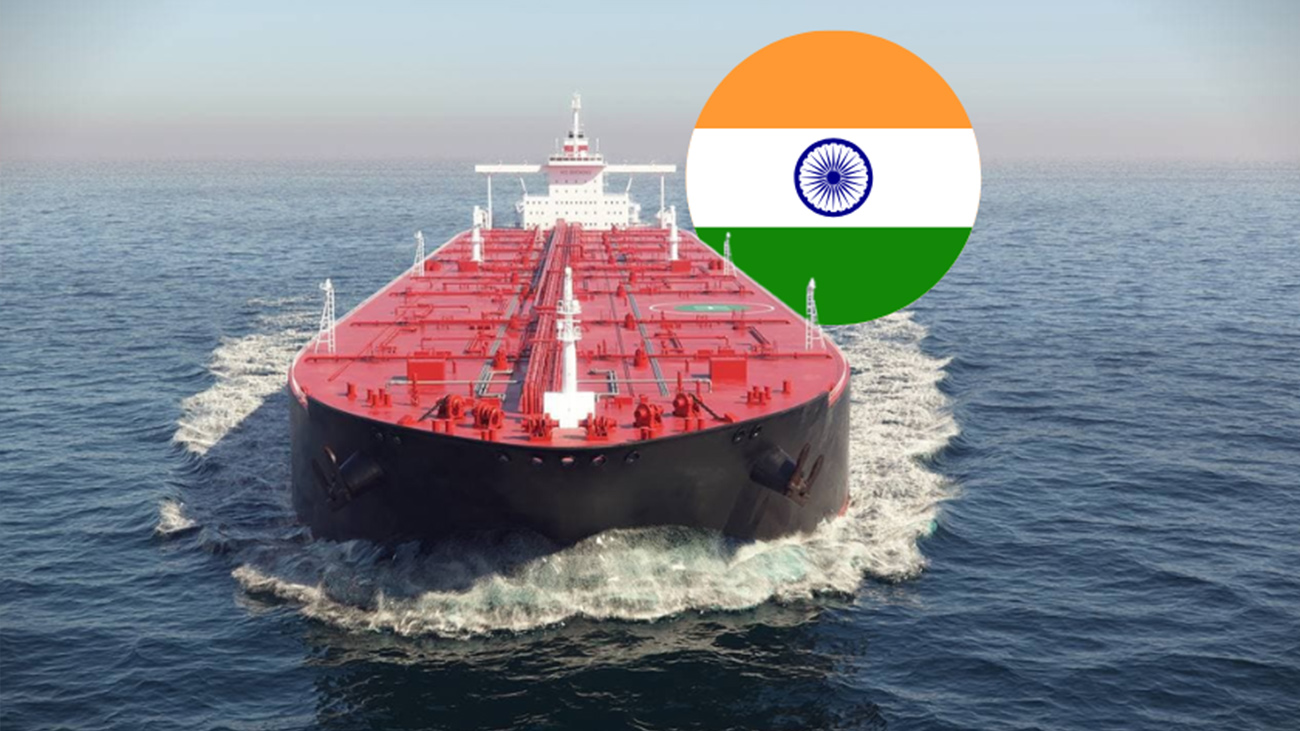
An Indian government source said Iran could allow Indian-flagged oil tankers to pass safely through the Strait of Hormuz, a key route that carries about 40% of India’s crude oil imports. However, an Iranian source outside the country denied that any formal agreement had been reached between the two sides.
Indian officials confirmed that the foreign ministers of India and Iran have spoken three times in recent days. According to India’s foreign ministry, their latest conversation focused mainly on shipping safety and protecting India’s energy supply during the ongoing regional crisis.
Also Read: Trump on Iran: We won, but don't want to leave early
Foreign ministry spokesperson Randhir Jaiswal said discussions were taking place but declined to provide further details. “Beyond that, it would be premature for me to say anything,” he told reporters during a weekly briefing.
Meanwhile, the Suezmax tanker Shenlong, carrying crude oil from Saudi Arabia, arrived at a port in Mumbai after successfully crossing the Strait of Hormuz. According to shipping data, the vessel is the first crude tanker to reach India from the Middle East since the conflict involving Iran, the United States, and Israel escalated in late February.
State-run Bharat Petroleum Corporation reportedly purchased the cargo. Sources said two other foreign-flagged tankers believed to be heading toward India had also recently passed through the strait without incident.
An Indian source said Tehran had informally assured safe passage for Indian ships after a phone conversation between India’s Foreign Minister S Jaishankar and Iran’s Foreign Minister Seyed Abbas Araghchi earlier this week. However, the situation remains uncertain, and officials say communication across different levels of Iran’s administration is still unclear.
Also Read: Iran warns no oil to pass through Strait of Hormuz amid US-Iran war
In its official statement after the talks, Iran’s foreign ministry blamed the United States for the current security problems in the Persian Gulf. The statement said Washington should be held responsible for the “insecure situation and problems arising for shipping in the Persian Gulf.”
Shipping security in the region remains a major concern. Since the conflict began in late February, Iran has reportedly targeted at least 16 ships in the Strait of Hormuz. Tehran has also warned that global oil prices could surge to $200 per barrel as tensions escalate.