

Beware! loud music on buses will cost you heavily under new rules
New fines target disruptive behaviour
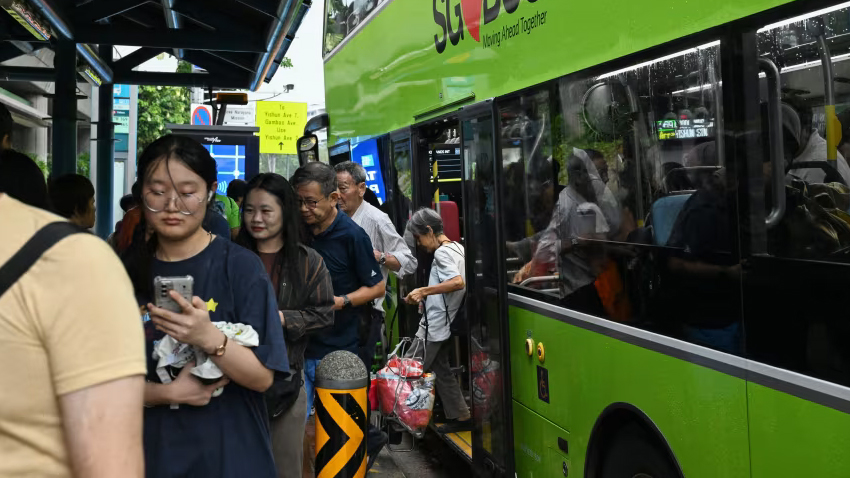
Singapore has introduced stricter penalties for disruptive behaviour on public buses. The rules target actions that disturb other passengers or affect the cleanliness and safety of public transport.
Passengers could be fined up to 500 Singapore dollars, or around $390, for behaviour such as playing loud audio, putting their feet on seats, littering, eating or drinking. The rules are part of a wider effort to keep public transport peaceful and orderly.
Serious violations carry bigger penalties
The maximum fine can rise to 5,000 Singapore dollars, or about $3,900, for more serious offences. These include behaviour that puts other passengers in danger or causes “the soiling of any part” of a bus or other transport infrastructure.
The Land Transport Authority (LTA) said public transport is a shared space where passengers are expected to behave responsibly. “Public transport is a shared space, and every commuter has a part to play in ensuring a gracious and pleasant commuting environment,” said the LTA statement.
Loud audio comes under focus
The new penalties are similar to rules already in place on Singapore’s subway system. Singapore has long enforced strict standards on cleanliness and public behaviour across its transport network.
Other cities have also taken steps to reduce noise on public transport. In London, authorities launched a campaign encouraging passengers to use headphones after many commuters complained about loud music and phone conversations.
Similar rules spreading worldwide
Transport systems in cities such as Beijing, Kraków and Toronto have also restricted loud audio when passengers are not using headphones. However, the way these rules are enforced differs from one city to another.
Singapore’s tougher approach reflects its broader focus on keeping public spaces clean and orderly. Similar concerns have also led to penalties elsewhere, including France, where a man was fined about $200 in February 2025 after refusing to stop a loud speakerphone call at a train station.
The new Singapore rules show how authorities are trying to make public transport more comfortable for passengers. Even common habits such as loud music, eating or littering can now lead to financial penalties.
The measures also show that noise and disruptive behaviour are becoming a wider concern in major cities. The level of enforcement, however, can vary depending on local transport rules and how seriously each authority treats such behaviour.
Also read: ADB keeps Pakistan growth forecast at 3.7pc amid rising risks
Also read: Pakistan partners with Bill Gates for a smart agricultural future


