

Googlebook September 15 event to unveil Gemini-powered laptops
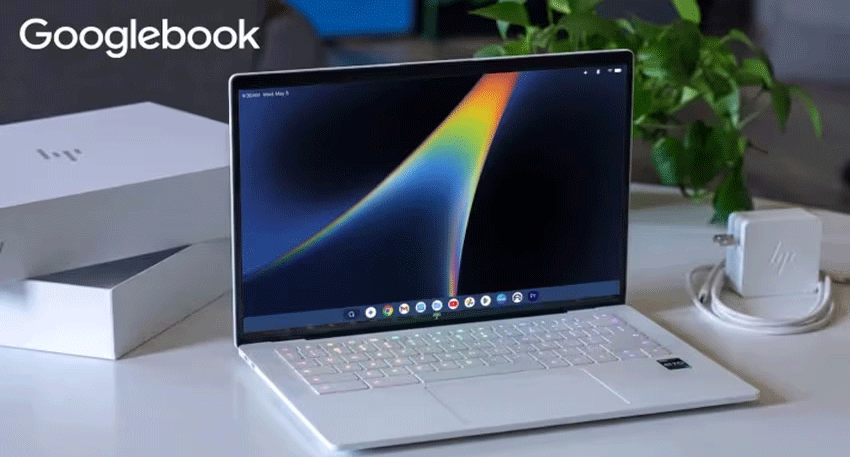
Google introduced Googlebook earlier this year as a new category of laptops built around Gemini artificial intelligence. The company says the devices are designed to combine Android technology, AI features and premium computer hardware.
Google has described Googlebook as more than a simple update to its Chromebook range. The new platform is intended to create a closer connection between laptops and Android phones, with several features designed around that goal.
Googlebook brings Gemini deeper into laptops
One of the main features is Magic Pointer, which brings Gemini assistance directly to the computer cursor. Users can point at information or images on their screen and receive relevant actions or suggestions.
Google is also introducing a tool called Create your Widget. It allows users to ask Gemini to create personalised widgets that can bring together information from services such as Gmail and Google Calendar.
The company is also focusing heavily on Android integration. Googlebook users will be able to access Android apps and phone files from their laptops, reducing the need to move files manually between devices.
Google says this approach is intended to keep users connected while moving between their smartphones and computers. The platform will also benefit from the large Android app ecosystem.
Major laptop makers prepare Googlebook devices
Google has confirmed that several major manufacturers are working on the first Googlebook devices. Acer, ASUS, Dell, HP and Lenovo are among the companies preparing laptops for the new platform.
Recent leaks have already offered an early look at some of these machines. Lenovo models reportedly include a traditional laptop and a 2-in-1 device, while leaked ASUS images have also shown a Googlebook model.
The leaked Lenovo devices appear to feature a dedicated Google-related keyboard button, modern Android-based software and the distinctive illuminated design element Google has shown in its official previews. However, final specifications and pricing have not yet been confirmed.
Google has said the first Googlebooks will arrive during the fall. The September 15 showcase could therefore provide important details about availability, specifications and the hardware partners involved.
Snapdragon and Intel models could widen the range
The new platform is expected to support different types of processors rather than being limited to one chipmaker. Google has said Googlebook devices will work with processors from Intel, Qualcomm and MediaTek.
Reports have pointed to Qualcomm Snapdragon-powered models among the devices being developed. Some leaked information suggests that certain machines could use Snapdragon X Plus processors, although Google has not confirmed the final specifications.
Intel-based models have also appeared in reports, including an Acer laptop reportedly featuring up to 32GB of RAM and a high-resolution OLED display. These details remain based on leaks and should not be treated as final specifications.
The use of different processors could allow manufacturers to offer Googlebook laptops across several performance and price categories. However, Google and its hardware partners have yet to announce official prices.
Googlebook takes aim at a changing laptop market
Google’s move comes as laptop makers are adding more artificial intelligence features to their products. Microsoft has promoted Copilot+ PCs, while Apple and other companies are also pushing AI capabilities into personal computers.
Google is taking a different approach by placing Gemini at the centre of the laptop experience. Its strategy also uses Android technology to connect laptops more closely with the smartphones many users already carry.
Google has made clear that Googlebook is a new laptop category rather than simply another Chromebook model. The company has also said Chromebooks will continue to be supported, meaning the two product lines are expected to coexist.
The September event could show whether Google’s new approach can offer a meaningful alternative to Windows and macOS laptops. Much will depend on the final hardware, software experience, battery life and pricing.
Also Read:Pakistan IT exports jump 18% to $417m in July 2026
What to expect from the September 15 showcase
The September 15 event is expected to answer several questions that remain open. Buyers will want to know how much the first Googlebooks will cost, which models will launch first and when they will become available in different markets.
The event may also provide a clearer explanation of how the Android-based platform differs from ChromeOS. Google has so far focused on Gemini, Android integration and premium hardware rather than providing every technical detail.
Recent leaks suggest that interest in the devices is already growing before the official launch. The September presentation could therefore become an important moment for Google as it tries to reshape its position in the laptop market.


