

World Bank sanctions $375.9m to improve Pakistan's power transmission network
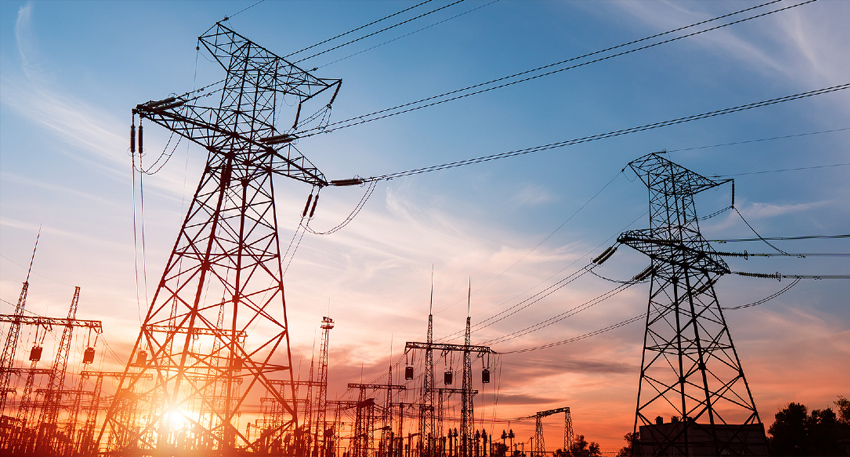
The World Bank states that the project represents the first stage of its Boosting Energy Security through Transmission in Pakistan (BEST-PAK) programme which is a 10-year initiative focused on upgrading Pakistan's electricity transmission infrastructure, reducing outages and increasing the country's renewable energy capacity.
World Bank Country Director Bolormaa Amgaabazar emphasizes the importance of improving the national transmission network by describing how essential it is to address Pakistan's energy challenges while supporting long-term economic growth.
She notes that modernizing the grid would reduce electricity costs, improve system reliability and enable greater integration of renewable energy into the national power network.
The World Bank states that Pakistan's transmission system currently faces significant constraints, including grid instability and limited transmission capacity, preventing electricity from being delivered efficiently and restricting the use of renewable power. Additionally, these issues, have resulted in frequent blackouts, higher energy prices and lost economic opportunities.
As part of the project, advanced grid technologies will be installed at critical substations to improve system stability and strengthen electricity transmission.
The upgrades are expected to unlock 640 megawatts of wind power that is currently unable to reach the grid, while enabling the full use of 1,840MW of installed wind generation in southern Pakistan.
Also Read: Punjab starts 24/7 toll-free helpline for women’s protection
These improvements will also facilitate the integration of nearly 491MW of upcoming privately financed renewable energy projects.
According to the World Bank, this investment supports Pakistan's goal of sourcing 60 per cent of its electricity from renewable energy by 2030, in line with its commitments under the Paris climate agreement.
The lender estimates that the project will prevent around 832,500 tons of carbon emissions each year, reducing more than 20.8 million tons over the project's expected 25-year operational life.
World Bank Lead Energy Specialist Waleed Saleh Alsuraih says, the initiative lays the foundation for expanding clean energy, strengthening energy security and creating a more efficient and commercially sustainable transmission sector through infrastructure investment and institutional reform.
The project will also back the government's efforts to overhaul the transmission sector by restructuring the National Transmission and Dispatch Company (NTDC) into specialized entities.
As reported by The World Bank, these reforms intend to improve governance, accountability, operational efficiency and the long-term financial sustainability of the power sector.
Given Pakistan's exposure to climate-related disasters, including flooding and extreme heat, the World Bank states that all infrastructure developed under the project will meet climate-resilient standards.
New facilities will include elevated structures to minimize flood damage and equipment designed to function in temperatures of up to 55 degrees Celsius, helping ensure uninterrupted operations during severe weather.