

Power minister apologises for loadshedding at night
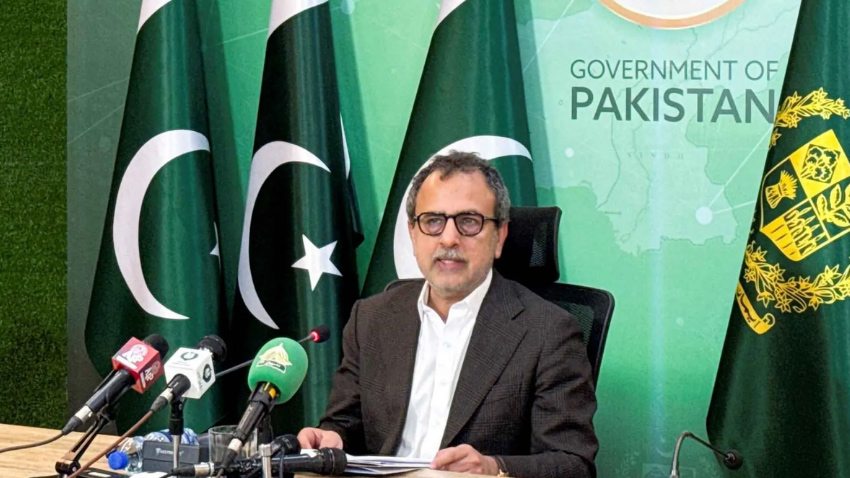
Federal Minister for Power Awais Leghari has apologised to consumers over nighttime electricity loadshedding.
Speaking to the media in Islamabad, Leghari said a sharp increase in electricity demand during nighttime hours had put additional pressure on the power system.
He said available generation was not enough to fully meet the increased demand, forcing authorities to resort to load management.
The minister acknowledged the difficulties faced by consumers and thanked the public for remaining patient during the disruption.
Higher electricity demand puts pressure on power system
According to Leghari, electricity consumption has increased significantly during nighttime hours.
The rise in demand has widened the gap between the electricity required by consumers and the power available for supply. The situation has made it difficult for authorities to maintain uninterrupted electricity supply across the country.
Nighttime demand can rise as households use cooling appliances, lighting and other electrical equipment. Leghari said the government was working to improve electricity availability and provide maximum possible relief to consumers.
Gas shortage affects electricity generation
Leghari also identified gas shortages as another factor affecting electricity generation.
Several power plants rely on gas to produce electricity, meaning disruptions in fuel supplies can affect overall power generation. The minister said the shortage had added to the pressure created by higher electricity demand.
He also referred to a gas supply issue involving Qatar and said efforts were underway to resolve the matter as soon as possible. The government is seeking to address fuel-related constraints to improve power generation and supply.
High-theft areas face additional loadshedding
The power minister also clarified that areas with high levels of electricity theft are facing additional loadshedding.
He said electricity supply in high-loss areas is linked to recovery levels and efforts to control power theft. The government has repeatedly identified electricity theft and poor bill recovery as major challenges for the power sector.
High distribution losses place additional pressure on the electricity system and increase financial challenges for power distribution companies. Leghari said the government was continuing efforts to improve recoveries and reduce electricity theft.
Government promises maximum relief
The minister said authorities were taking steps to increase electricity generation and improve the overall performance of the energy sector. He maintained that the government was working to address the factors affecting power availability.
The efforts include resolving fuel supply issues and managing electricity demand during periods of high consumption. Leghari said the government wanted to provide consumers with maximum possible relief while improving the reliability of the power system.
Loadshedding adds to public concerns
The latest nighttime loadshedding has added to concerns among households already dealing with high electricity costs.
Also Read: Pakistan jails overcrowded as prisoner numbers reach 110,000
For many consumers, power cuts during hot weather can make daily life more difficult, particularly during nighttime hours. Electricity interruptions can also affect businesses, factories and other commercial activities.
Small businesses that rely on a stable power supply may face difficulties when electricity is disrupted for extended periods. Industrial consumers can also experience production delays and higher operating costs when power availability becomes uncertain.
Businesses face challenges from power cuts
Unstable electricity supply can create problems for commercial and industrial consumers.
Businesses may have to rely on alternative power sources during outages, increasing their operating expenses. For industries, repeated interruptions can affect production schedules and delivery commitments.
The situation becomes more challenging when energy costs are already high and businesses are trying to control expenses. A stable electricity supply is therefore important not only for households but also for wider economic activity.
Energy supply remains a major challenge
The minister’s apology highlights the difficulty of balancing electricity demand with available generation.
Higher consumption can quickly put pressure on the power system, particularly when fuel supplies are also facing shortages. The government will need to address both issues to reduce the need for load management.
Improving generation capacity alone may not be enough if fuel supplies remain uncertain. Similarly, better fuel availability may have limited impact if electricity demand continues to rise faster than available generation.


