

Pakistan jails overcrowded as prisoner numbers reach 110,000
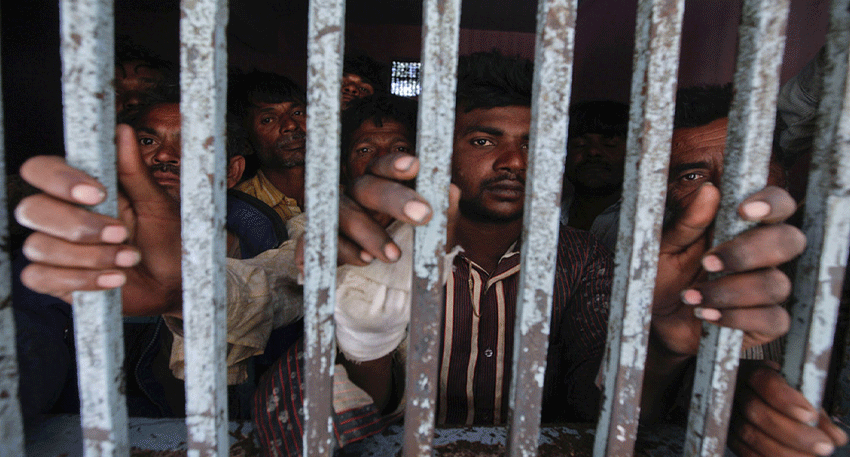
Pakistan jails struggle with rising prisoner numbers
Pakistan’s prison system is facing serious pressure as the number of inmates has risen far beyond the capacity of facilities across the country.
Available figures show that around 110,000 prisoners are currently being held in prisons that can accommodate only about 64,000 people.
This means the prison population is roughly 46,000 higher than the available capacity. The situation has raised concerns about overcrowding, prison conditions and delays in the justice system.
A major part of the problem is the large number of prisoners awaiting trial. Many inmates remain behind bars while their cases continue through the courts.
Punjab has the largest prison population in the country. The province currently holds around 70,000 prisoners across 45 jails.
However, Punjab’s prisons have a combined capacity of only about 38,000 inmates. The current population is therefore significantly higher than the space available.
Most Punjab prisoners are still awaiting trial
Of the approximately 70,000 prisoners in Punjab, only around 16,000 have been convicted.
The remaining prisoners are undertrial inmates whose cases have not yet reached a final decision. This means a large majority of people in Punjab’s prisons have not received a final conviction.
The high number of undertrial prisoners points to the pressure created by lengthy legal proceedings.
When cases take longer to conclude, prisoners continue occupying limited space while new inmates enter the system.
The situation also puts additional pressure on prison staff and existing facilities. Overcrowding can make it harder for authorities to provide adequate accommodation and other basic services.
Sindh prisons also facing severe overcrowding
Sindh is facing a similar situation, with its prison population considerably higher than the capacity of its jails.
The province has 23 jails with space for around 14,000 prisoners. Despite this limited capacity, about 25,000 inmates are currently being held there.
The figures show that Sindh’s prison population is nearly 11,000 above the available capacity.
Only around 4,000 prisoners in Sindh have been convicted. The majority are still undertrial prisoners waiting for their cases to be decided.
This pattern is similar to Punjab, where undertrial inmates make up a substantial portion of the prison population.
The figures suggest that the problem is not limited to prison infrastructure alone. Delays in court proceedings are also contributing to the growing number of people remaining in custody.
Khyber Pakhtunkhwa faces similar pressure
Khyber Pakhtunkhwa also has a large number of prisoners compared with the number of convictions recorded.
The province has 39 jails and currently holds around 11,382 prisoners. Only about 2,000 inmates have been convicted, according to the available figures.
This leaves a large number of prisoners awaiting the conclusion of their cases.
Although the prison population in Khyber Pakhtunkhwa is lower than in Punjab and Sindh, the high share of undertrial prisoners remains a concern.
Across the three provinces, the figures show a common pattern. A significant portion of inmates are waiting for judicial decisions rather than serving sentences after conviction.
Also Read:PIA PK-784 makes emergency return to Toronto after fire alarm
Delayed decisions add to the prison burden
The growing prison population has created a major challenge for Pakistan’s correctional system.
Jails designed for much smaller populations are now being used to accommodate tens of thousands of additional prisoners.
The pressure is particularly visible in Punjab and Sindh, where the number of inmates is far above official capacity.
Undertrial prisoners are an important part of the problem because they remain in custody until courts decide their cases or other legal arrangements are made.
Faster disposal of cases could therefore help reduce pressure on prisons, particularly where people spend long periods waiting for hearings and decisions.
At the same time, authorities face the challenge of improving prison infrastructure and ensuring that existing facilities can safely accommodate inmates.
What the figures mean for Pakistan’s justice system
The latest numbers highlight a wider problem involving both prisons and the judicial system.
When prison populations grow faster than available capacity, overcrowding becomes difficult to manage. It can also place greater pressure on food, healthcare, accommodation, security and rehabilitation services.
The large number of undertrial prisoners makes the issue even more important. Their continued detention reflects the need to examine how quickly cases are being processed and whether available legal mechanisms are being used effectively.
The figures from Punjab, Sindh and Khyber Pakhtunkhwa show that the issue requires attention across different parts of the country.


