

PM Shehbaz rejects LPG auction plan amid fears of rs900 cylinder price hike
Why the prime minister rejected the plan
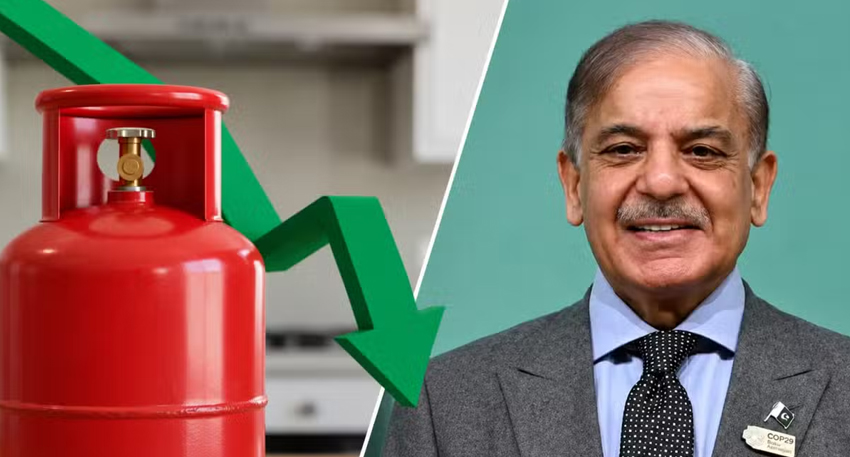
The prime minister declined to approve temporary measures proposed by the Petroleum Division. As a result, the results of auctions held by three major public-sector LPG producers on August 10 will not proceed under the proposed arrangement.
The LPG auction plan aimed to change how locally produced liquefied petroleum gas (LPG) was priced and sold. However, officials estimated that it could have increased prices by at least 15%.
The proposed change could have added around Rs900 to the price of an 11.8-kilogram domestic cylinder.
LPG cylinders already cost around Rs5,000
Consumers are already facing high Pakistan LPG prices because of supply problems. An 11.8-kilogram cylinder is reportedly selling for around Rs5,000, while the Oil and Gas Regulatory Authority (OGRA) has notified a maximum price of Rs3,296.
The difference has raised concerns about affordability for households that depend on LPG for cooking. The current LPG cylinder price is already a burden for many consumers.
Under the proposed system, the producer price of locally made LPG would have been linked to import parity. The arrangement would also have increased the margins available to marketing companies and distributors.
The estimated impact was Rs77,000 per tonne, equal to around Rs900 per domestic cylinder.
Supply problems push up transportation costs
Industry officials have linked the shortage partly to limited supplies through the Taftan border and delays in clearing more than 25,000 tonnes of LPG at Rahimdan, near Gwadar.
Waiting times at the Gwadar terminal reportedly increased to around one month. Freight costs also rose from $100 to $400 per tonne, adding pressure to the supply chain.
Imports have faced further disruption because of the reported closure of the Strait of Hormuz, making Oman an important alternative source.
According to correspondence cited by Dawn, the Foreign Office contacted Oman’s state-owned OQ Trading at the Petroleum Division’s request to arrange LPG shipments. Sources said the available volumes were later committed to one private buyer.
Read Also: Govt announces new e-passport fees
Legal questions surround the auction system
The proposed arrangement would have required Oil and Gas Development Company Limited, Pakistan Petroleum Limited, Pak-Arab Refinery Company and Government Holdings (Private) Limited to offer standardised five-tonne lots each day on a pilot basis.
This would have replaced the existing quota-based system. However, existing LPG stakeholders challenged the proposal, arguing that current policies and rules did not allow such an arrangement.
The Petroleum Division and relevant public-sector entities reportedly discussed the legal challenges with the Attorney General for Pakistan.
Pakistan remains dependent on LPG imports
Pakistan’s annual LPG demand ranges from 1.4 million to 2 million tonnes. More than half of the supply comes from imports, making the country vulnerable to international market and transportation disruptions.
Sources also reported that both LPG terminals at Port Qasim were operating at full storage capacity, raising questions about the extent of the shortage and the effectiveness of market oversight.


