

Pakistan to replace machine-readable passports with e-passport system
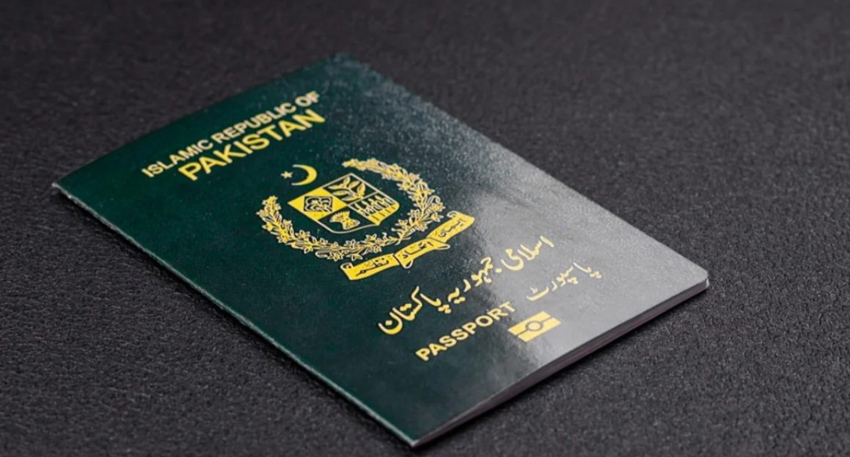
Major passport change
The change means e-passport Pakistan services will become the standard option for new applications across the country.
The Pakistan e-passport system will also apply at Pakistani diplomatic missions operating abroad.
Existing passports will remain valid
The government has clarified that current machine-readable passport documents will not become invalid when the new system begins.
People can continue travelling with a valid machine-readable passport until the expiry date printed on it.
After expiry, applicants will have to follow the new Pakistan passport rules and obtain an e-passport.
This means existing holders do not need to immediately replace their passports simply because the new system is being introduced.
Read Also: NADRA explains rules for getting a first CNIC without parents
What is an e-passport?
The Pakistan e-passport contains a contactless electronic chip embedded in the document.
The chip stores personal and biometric information about the passport holder, along with a unique identification number and digital signature.
The Pakistan e-passport also contains additional security features and follows International Civil Aviation Organization standards.
According to the information provided by the Directorate General of Immigration & Passports, the document can be electronically read by compatible immigration systems.
Application process
The application process for e-passport Pakistan is broadly similar to the traditional passport process.
Applicants will generally need documentation similar to that required for the older passport system.
DGI&P has already made e-passport services available through field offices across Pakistan since August 16, 2023.
The latest Pakistan passport rules will now make the electronic document the standard passport for new applications.
What happens to old passports?
People who already have a machine-readable passport can continue using it until its expiry.
There is therefore no immediate requirement for existing passport holders to apply for a replacement.
Once the document expires, the applicant will move to the Pakistan e-passport system when applying for a new passport.
The change is expected to gradually end the issuance of the older machine-readable passport format.
Read Also:Sindh to Provide 50,000 Free Electric Scooters to Women Across Province
E-passport fees
The published ordinary fee for a 36-page, five-year Pakistan e-passport is Rs9,000.
A 36-page passport valid for 10 years costs Rs13,500 under the normal category.
For urgent applications, the five-year passport costs Rs15,000, while the 10-year option costs Rs22,500.
Applicants should check the latest official fee schedule before applying because government charges can be revised.


