

Pakistan, Iran agree to finalize Free Trade Agreement soon
Key progress made on Free Trade Agreement
During the meeting, Pakistan and Iran signed the agreed minutes of the 10th session of the Joint Trade Committee, formally documenting the decisions reached during the negotiations. Officials said both countries made significant progress on the rules governing the proposed Free Trade Agreement.
The two sides also discussed procedures for reducing tariffs to make bilateral trade easier and more competitive. According to officials, these measures are expected to encourage businesses in both countries to expand trade and investment.
Focus on trade, investment, and business cooperation
The three-day talks covered a wide range of economic issues, including trade expansion, investment opportunities, and industrial cooperation. Both countries agreed to strengthen business-to-business contacts and encourage greater collaboration between their private sectors.
Officials said stronger commercial partnerships could create new opportunities for exporters, manufacturers, and investors. They added that improving economic cooperation remains a shared priority for both governments.
Border trade mechanism to become more effective
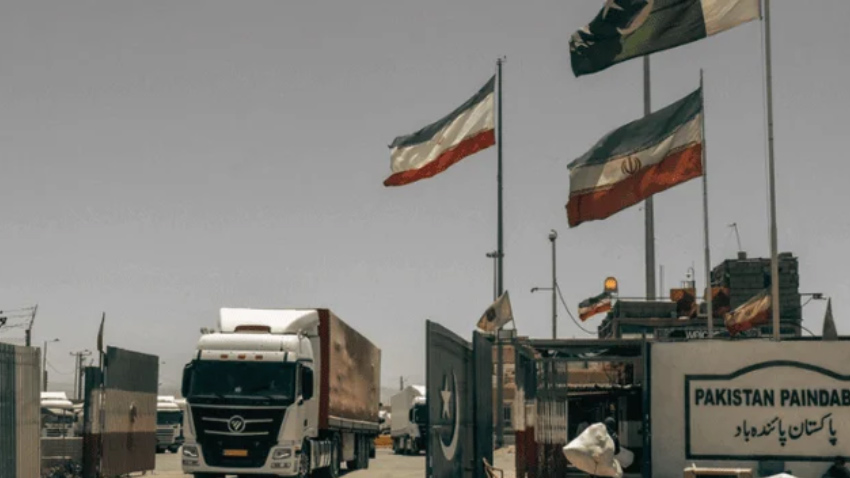
Pakistan and Iran also agreed to expand the border trade mechanism and improve its effectiveness. The delegations reaffirmed their commitment to promoting border trade and creating more economic opportunities for people living in border areas.
Also Read: Rabiul Awwal likely to begin on Aug 15 in Pakistan
Officials said improving border trade could support local businesses while increasing the overall volume of bilateral trade. The move is also expected to strengthen economic activity in communities located along the shared border.
Joint committees to manage border markets
The two countries agreed to establish joint committees for the effective management of border markets. These committees will oversee coordination, resolve operational issues, and improve facilities at joint border trading points.
Officials believe better management of border markets will create a smoother trading environment and encourage greater commercial activity. The initiative is expected to benefit traders operating on both sides of the border.
Transport and logistics need to be improved
The delegations also agreed to improve transport links, logistics services, and border coordination. Officials stated that improved transportation infrastructure and streamlined customs procedures would reduce delays and facilitate the smooth movement of goods.
Improved logistics are expected to lower business costs and strengthen regional trade. Both countries agreed that efficient transport systems are essential for increasing trade volumes.
Technical committees to oversee implementation
Pakistan and Iran decided that technical committees from both countries would continue working to ensure the timely implementation of the agreed decisions.
These committees will monitor progress on trade, tariff reductions, and border cooperation. Officials said continuous coordination would help turn the agreed measures into practical outcomes. Regular meetings are expected to address implementation challenges and maintain momentum.
Stronger economic ties expected
Officials believe the proposed Free Trade Agreement could significantly strengthen economic relations between Pakistan and Iran. Reducing trade barriers and improving business cooperation may help increase investment and create new opportunities for exporters.
Experts say improved border trade and better transport links could benefit businesses and local communities in both countries. The overall impact will depend on the timely implementation of the agreed measures.