
Pakistan Cuts Used Car Import Taxes, IMF Blocks Relief on Education Items
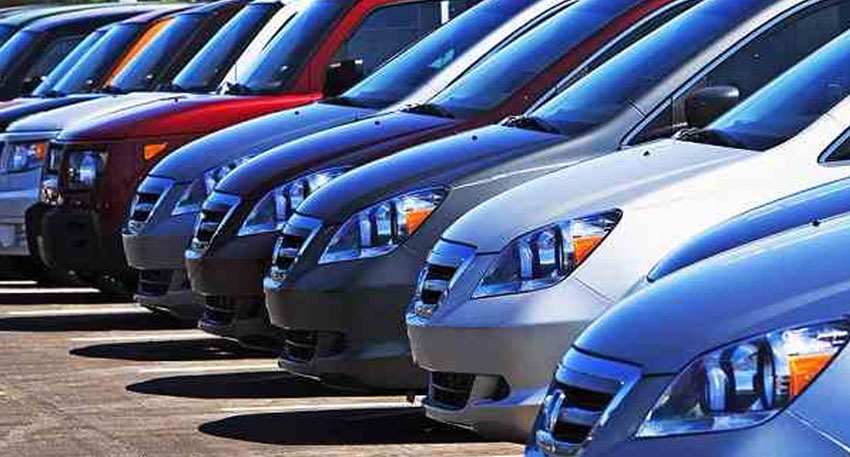
Pakistan’s federal government has announced significant changes to its import and tax policies, including a reduction in taxes on used car imports, while failing to secure approval from the International Monetary Fund (IMF) for tax relief on educational items.
According to officials briefing the Senate Standing Committee on Finance, restrictions on used car imports will be eased from July under IMF-linked agreements. The five-year age limit on imported vehicles is expected to be removed, provided the vehicles meet environmental standards. In addition, the regulatory duty on such imports will be reduced from 40 percent to 30 percent as part of a phased liberalization plan.
Secretary of Commerce Jawad Paul stated that the easing of restrictions on used car import policy is part of broader structural reforms aimed at ensuring fair competition for foreign sellers and improving market efficiency.
However, the government faced setbacks regarding relief for the education sector. The Director General of the Tax Policy Office revealed that the IMF opposed any form of tax exemption on educational goods. This includes stationery items such as pencils, sharpeners, and notebooks, which currently carry an 18 percent sales tax introduced in the previous budget.
The rejection comes despite the government’s recent declaration of an education emergency in the country, highlighting growing concerns over rising costs for school-going children.
Finance Minister Muhammad Aurangzeb also ruled out tax relief for the beverage industry and exporters, stating that the government has already provided support through reduced advance income tax, removal of super tax in certain cases, and lower interest rates.
Officials further noted that Pakistan aims to reduce its average import tariff to around 13.77 percent in the next fiscal year, down from 16.56 percent last year, as part of a broader national tariff policy reform.