

Pakistan approves four-year digital Hajj policy – Key changes revealed
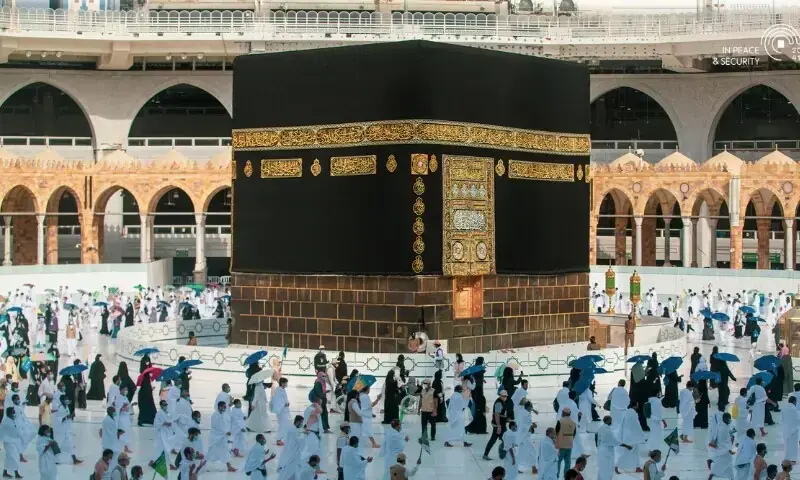
The federal cabinet approved the Hajj Policy and Plan for 2027-2030 during a meeting chaired by Prime Minister Shehbaz Sharif. Cabinet members also appreciated Federal Minister for Religious Affairs Sardar Muhammad Yousaf and his team for successfully managing this year’s Hajj operations.
Officials said this is Pakistan’s first four-year Hajj policy, replacing the previous one-year planning system. The long-term plan is expected to improve operations, strengthen planning and provide better facilities for pilgrims.
The government said standard operating procedures and other regulations will be prepared to implement the new policy. Amendments can also be made whenever needed to keep the policy in line with Saudi Arabia’s Hajj rules and regulations.
One of the biggest changes is the introduction of long-term Hajj registration. Instead of registering every year, people will be able to register once and choose any Hajj season up to 2030 according to their preference.
Officials said a priority waiting list will be created under the new system. A Shariah-compliant savings scheme will also be introduced to help people save money for future Hajj journeys.
The government has also decided to fully digitise the Hajj system. Payments, complaint handling and monitoring will all be managed through digital platforms to make the process faster and more transparent.
Also read: Online Hajj registrations cross 232,000 in two weeks
The policy also allocates separate quotas for government and private Hajj schemes. In addition, long and short Hajj packages, pilgrim training, Takaful coverage and emergency response services have been included in the policy.
According to the official statement, the cabinet directed that Hajj assistants should be appointed through a transparent and merit-based process. It also instructed authorities to ensure third-party verification of both government and private Hajj operations.
The new policy focuses on long-term planning and greater use of technology to improve Hajj management. If implemented effectively, it could make registration, payments and other services easier and more convenient for future pilgrims.