Motorcyclists face fines for missing mirrors, indicators
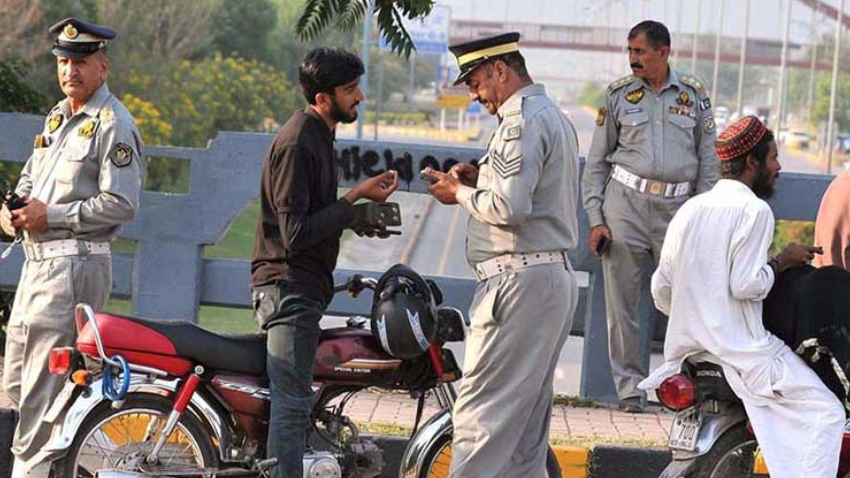
Why side mirrors and indicators matter
Traffic authorities say side-view mirrors allow motorcyclists to monitor vehicles approaching from behind and from either side. Working indicators, meanwhile, help riders clearly communicate when they intend to turn or change lanes.
Without these basic safety features, riders may have difficulty judging surrounding traffic and signalling their movements to other road users.
This can increase the risk of collisions, particularly on busy urban roads. Punjab Police’s official traffic guidance also stresses that vehicles should be roadworthy and properly maintained before being driven on public roads.
Awareness campaigns to accompany enforcement
Traffic police are not relying only on fines to improve compliance.
According to the statement, authorities will also organise public awareness campaigns and driver education sessions. The campaigns will explain traffic rules and encourage motorcyclists to understand the importance of basic safety equipment.
Officials want riders to view side mirrors and indicators as necessary safety features rather than optional motorcycle accessories. The aim is to encourage voluntary compliance while taking action against persistent violations.
Motorcyclists urged to check their bikes
Authorities have advised motorcyclists to inspect their motorcycles before taking to the road. Riders should ensure that both side mirrors are properly installed and provide a clear view of surrounding traffic.
They should also check that the motorcycle’s indicators are working correctly. Other basic safety measures, including wearing a helmet, maintaining lights, and keeping the motorcycle in roadworthy condition, are equally important.
A small check before a journey can help riders identify problems that could otherwise create risks on the road.
Traffic violations remain a major concern
Motorcycles make up a significant share of traffic on Punjab’s roads, particularly in major cities such as Lahore.
Traffic violations by motorcyclists can create risks not only for riders but also for pedestrians, cyclists, and drivers of other vehicles. City Traffic Police Lahore has already been using stricter enforcement measures to improve road discipline.
Also Read: Govt reduces petrol and diesel prices
In February 2026, the department reported extensive enforcement against violations, including riding without helmets, one-way violations, and improper number plates. The continued focus suggests that traffic authorities are moving towards stronger compliance with basic road safety rules.
Separate legal debate over motorcycle mirrors in Sindh
The issue of motorcycle side mirrors has also been raised before the Sindh High Court.
According to the information provided, the court issued notices to the Sindh government and the DIG Traffic over a petition challenging a law that reportedly exempts motorcycles from the requirement to have side mirrors.
A two-member bench headed by Justice Muhammad Ali Mazhar heard the petition. The petitioner’s lawyer argued that riders wearing helmets may have difficulty seeing vehicles approaching from either side without properly fitted mirrors.
The lawyer maintained that the absence of mirrors could contribute to road accidents and asked the court to direct the government to repeal the exemption and introduce penalties for motorcycles being ridden without mirrors.
The Sindh court matter is separate from the Punjab traffic enforcement drive and should not be treated as the same legal development.
Focus shifts towards safer roads
The stricter enforcement reflects a broader effort to improve road safety through both penalties and public awareness. Traffic authorities say riders can reduce unnecessary risks by following basic safety requirements and keeping their motorcycles properly maintained.
For motorcyclists, installing and maintaining side mirrors and working indicators is a relatively simple step that can improve visibility and communication with other road users. Officials are expected to continue enforcement against violations while awareness campaigns encourage greater compliance.