
Middle class under pressure: how much income Is needed to survive in 2026?
Govt sets Rs41,000 minimum wage but real survival cost far higher amid inflation shock.The federal government has set the minimum wage at around Rs41,000 per month, but the figure has triggered fresh debate over whether it is enough to survive in Pakistan’s current economic conditions.
In today’s inflation-driven economy, basic expenses like rent, utilities, groceries, and transport often exceed this amount alone, leaving little to no room for savings.
Economists argue that while the number may exist on paper, it does not reflect real urban living costs where a small family’s monthly budget can easily cross Rs150,000 to Rs250,000.
Private sector still paying as low as Rs20,000 in many jobs
Despite official wage announcements, many private institutions continue to pay salaries as low as Rs20,000 to Rs30,000, especially in entry-level and informal sectors like media houses.
Workers often accept these jobs due to limited opportunities and rising unemployment pressure.
Job seekers say the situation has created a “survival economy” where people take whatever is available, even if it does not cover basic household needs.
Cost of living pushes middle class into financial stress
House rent rising sharply in cities
Monthly rent in major cities like Lahore, Karachi, and Islamabad has increased significantly. Small apartments or portions now cost around Rs50,000 to Rs80,000 per month, making housing one of the biggest burdens for salaried families.
Electricity and gas bills draining income
Utility costs have surged due to higher unit prices and fuel adjustments. An average household now pays around Rs20,000 to Rs35,000 per month in electricity and gas bills, especially during peak weather seasons.
School fees becoming unaffordable for many families
Private education costs continue to rise every year. Per child, monthly school fees now range between Rs25,000 to Rs60,000, making education one of the most expensive fixed expenses for middle-class households.
Transport and fuel expenses adding pressure
With rising petrol prices and increasing fares, monthly transport costs can reach Rs15,000 to Rs30,000 for a single household, especially for families relying on daily commuting.
Medical costs increasing even for basic care
Even routine healthcare is becoming expensive. Doctor visits, lab tests, and medicines together cost around Rs10,000 to Rs20,000 per month, putting additional strain on family budgets.
Grocery bills hit new highs
Essential food items like flour, cooking oil, pulses, and vegetables now cost around Rs35,000 to Rs50,000 per month depending on family size, making basic nutrition increasingly costly.
Inflation and taxes worsening overall pressure
Inflation-driven price hikes, combined with new indirect taxes in the budget, have pushed up the overall cost of living. Even basic household shopping is now a major financial challenge for salaried families.
Overall impact on middle-class families
Rising expenses across all major categories leave little room for savings, turning monthly income into a survival cycle for Pakistan’s middle class in 2026.Budget 2026–27: tax relief announced but pressure remains
Also Read: US lifts Iran blockade as fragile truce sparks fresh hopes
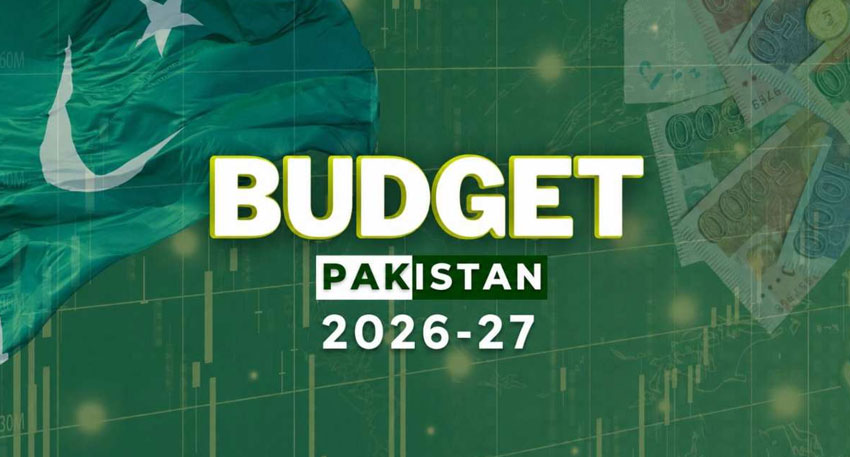
The government has proposed income tax relief across four salary slabs for salaried individuals and also announced the abolition of surcharge on the salaried class, which was previously reduced to 9%.
Officials say the move is aimed at easing financial pressure on employees in both public and private sectors.
Key measures include:
Reduced tax rates in revised income slabs
Abolition of salaried class surcharge
7% increase in government employee salaries
7% increase in pensions
10% increase in minimum wage
Finance Minister Senator Muhammad Aurangzeb said the reforms aim to support salaried individuals struggling due to inflation.
Tax burden vs inflation: relief or short-term adjustment?
While tax relief measures have been welcomed, many experts believe they may not be enough to offset rising inflation and everyday expenses.
The salaried class continues to highlight a key concern:
Even with tax cuts, stagnant wages and rising prices are shrinking real purchasing power.
Middle class squeezed between rising costs and limited income
The biggest challenge for Pakistan’s middle class in 2026 is not only income levels but also the gap between wages and living costs.
Even households earning above Rs100,000 per month report difficulty in:
Managing school fees
Paying utility bills on time
Saving for emergencies
Coping with sudden medical expenses
Conclusion: survival becoming harder than upward mobility
Pakistan’s middle class is increasingly facing a situation where earning a salary is no longer enough for financial stability.
With rising inflation, uneven wage growth, and limited job opportunities, the question remains:
Is the Rs41,000 minimum wage a starting point—or a symbol of a widening economic gap?