

US lifts Iran blockade as fragile truce sparks fresh hopes
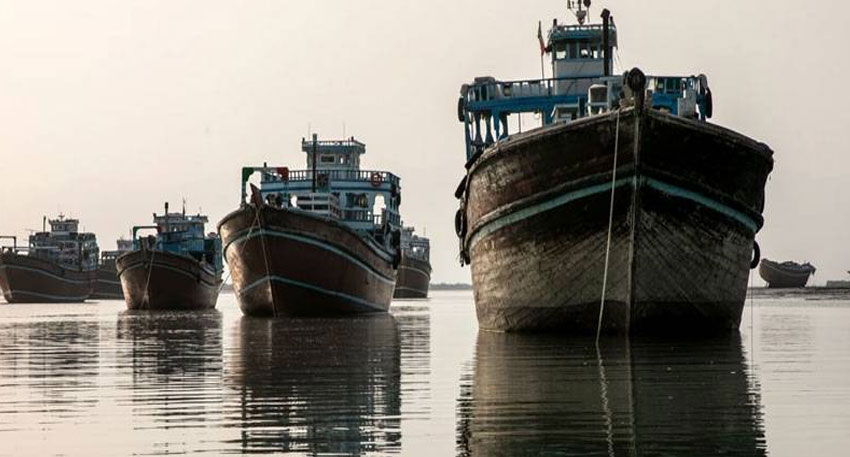
The United States has officially ended its six-week naval blockade of Iran, easing tensions in the Gulf region and raising hopes for a diplomatic breakthrough after months of conflict.
The US Central Command confirmed that American forces had lifted restrictions on maritime traffic entering and leaving Iranian ports and coastal areas during the night between Thursday and Friday, Pakistan time. However, US naval vessels will remain deployed across the region.
The move has already boosted shipping activity through the Strait of Hormuz, a critical route for global oil supplies, with oil tankers resuming normal operations.
Speaking after a NATO defence ministers' meeting in Brussels, US Defence Secretary Pete Hegseth warned that Washington was prepared to reimpose the blockade and restart military operations if Iran failed to fulfil its commitments under a newly signed memorandum of understanding (MoU).
"If Iran does not do what it says, we are prepared to act again," Hegseth said.
The warning came a day after President Donald Trump signed the agreement aimed at ending hostilities and launching comprehensive negotiations with Tehran.
Formal talks are expected to begin on Friday in the Swiss resort town of Bürgenstock and will focus on Iran's nuclear programme and broader regional issues over a 60-day period.
Iranian President Masoud Pezeshkian described the agreement as a "historic document", saying peace could be achieved through mutual respect.
Meanwhile, the deal has triggered criticism in both the US and Israel. Responding to critics, Trump wrote on Truth Social that opponents were "jealous, bad people, or fools."
International Atomic Energy Agency chief Rafael Grossi welcomed the agreement, saying technical work would now begin.