
Indus Waters Treaty under spotlight as federal ministers, political figures and water experts gather
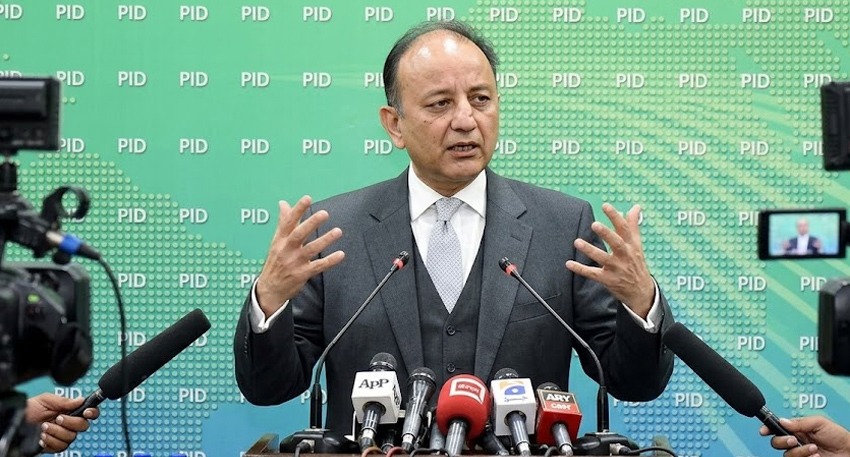
Speaking at an international seminar on the Indus Waters Treaty, Federal Minister for Climate Change Musadik Malik said Pakistan has suffered devastating floods and worsening water shortages.
He said the issue is no longer only about climate change Pakistan, but also about justice, food security, and the future of millions of people.
The minister claimed that India water aggression has contributed to the deaths of around 6,000 people, while thousands more have been injured.
He said the losses are greater than those seen in many wars and stressed that the Pakistan India water dispute has become a serious humanitarian concern.
Musadik Malik said agriculture is the backbone of Pakistan’s economy, and the ongoing Pakistan water crisis is forcing many farmers to abandon their land because of limited water availability.
He warned that continued water shortages could have long-term economic and social consequences.
He reiterated that Pakistan would never compromise on its share of water under the Indus Waters Treaty, calling it one of the strongest international agreements ever signed.
Also Read: PM announces National Agricultural Policy to drive Pakistan Agriculture reforms
According to him, the treaty remained in force even during three wars between Pakistan and India, proving its importance for regional stability.
The minister added that India water aggression is not only affecting Pakistan but could also have wider regional consequences.
He said downstream countries such as Bangladesh may also face difficulties if shared water resources are disrupted.
He further argued that climate change Pakistan has made water management even more challenging, increasing the need for international cooperation.
Musadik Malik said international arbitration has already ruled that no country can suspend or terminate the Indus Waters Treaty on its own.
He added that the court has also stated that India cannot build water storage projects that violate Pakistan’s rights under the agreement.
The minister claimed India has refused to accept some international arbitration decisions.
He warned that if the Pakistan India water dispute is not resolved according to international law, it could weaken confidence in global agreements over shared rivers.
Also Read: Punjab Control of Habitual Offenders Bill 2026 sparks major political storm in Assembly
He also said India water aggression could set a dangerous example for other countries that share water resources.
He concluded by saying that protecting the Pakistan water crisis from becoming even more severe requires strict implementation of the treaty and continued international attention.
He added that tackling climate change Pakistan and ensuring fair water sharing are equally important for regional peace and long-term stability.