

Govt scraps NEPRA role in small rooftop solar systems as consumers get relief
Approval process made easier
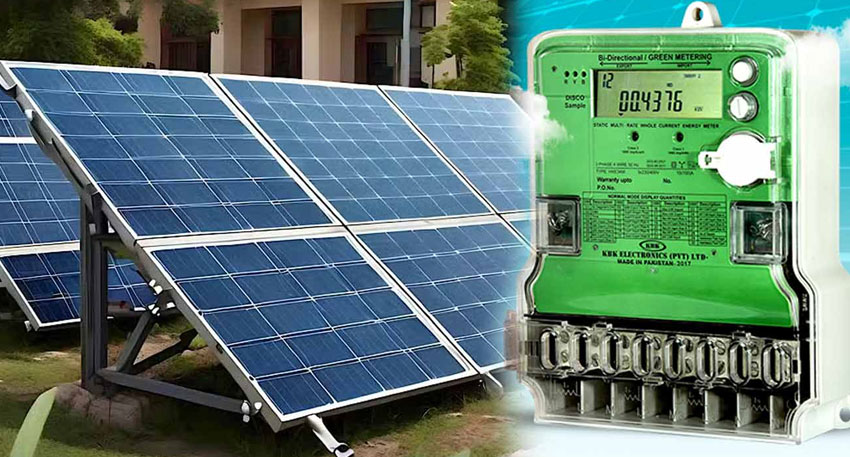
The government has removed the requirement for prior approval from the National Electric Power Regulatory Authority (NEPRA) for small rooftop solar systems. The decision applies to grid-connected solar installations with a capacity of up to 25 kilowatts.
Under the revised rules, eligible consumers will now submit their applications directly to the relevant electricity distribution company (Disco). The change is expected to make the approval process quicker and more convenient.
New rules for rooftop solar users
NEPRA has amended the Solar Regulations 2026 and officially authorised distribution companies to approve eligible rooftop solar installations. This means households and small businesses will no longer need separate approval from the regulator.
The updated framework shifts the approval process to the respective Disco. Officials believe this will reduce paperwork and speed up connections to the national electricity grid.
Move aims to boost solar adoption
The government expects the revised policy to encourage more people to install rooftop solar systems. By removing an extra regulatory step, authorities hope to make clean energy more accessible for small consumers.
The simplified process is also expected to reduce delays that many applicants previously faced. Faster approvals could support the wider use of renewable energy across Pakistan.
The latest decision removes an important administrative hurdle for rooftop solar users. If implemented smoothly, it could encourage more households and businesses to invest in solar energy.
The Central Power Purchasing Agency (CPPA) reported that the actual average fuel cost for June 2026 was Rs8.9138 per kWh, compared with the reference fuel cost of Rs7.7138 per kWh. Based on this difference, the agency requested an FCA of Rs1.20 per unit.
After reviewing the figures, Nepra calculated the actual fuel component at Rs8.4641 per kWh. As a result, it approved a lower FCA of 75 paisa per unit instead of the requested Rs1.20 per unit.
The Power Division also reported that electricity generation in June was 5.6 percent lower than projected. Nepra expressed concern over Rs4.9 billion in partial loading charges.
The CPPA said these charges were mainly caused by lower daytime electricity demand due to increased rooftop solar generation. It explained that many power plants had to operate at partial load during the day and increase output later to meet higher evening demand.
The Power Division also warned that renewable energy sources such as solar and wind could face curtailment in the future if daytime demand continues to decline. It added that quarterly tariff adjustments are handled separately and become part of the base tariff after government approval.
The latest FCA shows that fuel costs continue to affect electricity prices despite growing use of solar energy. Future tariff decisions may increasingly depend on how Pakistan balances conventional power generation with renewable energy.
Also read: Power consumers to pay higher bills in August under Nepra fuel adjustment
Also read: PTA announces new rates and rules for eSIM mobile users


