Goods transporters launch nationwide strike over fuel prices, taxes
Government summons transport alliance for talks
The federal government has summoned representatives of the transport alliance for a meeting on Monday to discuss their concerns. Malik Shahzad Awan said a committee has been formed to represent the alliance during negotiations with government officials.
He said the transporters would review the outcome of the meeting before deciding whether to continue or end the strike. The talks could provide an opportunity for both sides to discuss the transport sector’s demands and find a solution to the ongoing dispute.
Earlier negotiations failed to resolve issues
According to Malik Shahzad Awan, negotiations between the goods transport alliance and authorities at the commissioner’s office failed to resolve the issues. The transporters subsequently decided to proceed with the nationwide strike.
They have raised concerns about the rising cost of operating goods vehicles and what they describe as increasing financial pressure on the transport sector. The alliance wants the government to address these issues through negotiations and provide relief to transport operators.
Fuel prices remain a major concern
Rising petrol and diesel prices are among the main reasons behind the strike. Transporters say higher fuel costs directly increase the expenses involved in operating trucks and other goods vehicles.
They are also opposing the daily determination of petroleum product prices, saying frequent changes make it difficult to plan operating costs. The alliance has called for relief in fuel prices and a review of the current petroleum pricing mechanism.
Transporters oppose 7% withholding tax
The transport sector is also protesting against the 7% withholding tax. Transport leaders have demanded a reduction in the tax, arguing that it has added to the financial burden on transport businesses.
They have called on the government to review the tax structure and consider measures that could reduce pressure on transport operators. The tax issue is expected to be among the key matters discussed during the government’s meeting with the transport alliance.
10-wheelers to carry up to 35 tonnes
President of the All Pakistan Goods Transporters Owners Association, Owais Chaudhry, has also raised concerns about vehicle weight limits. He demanded that 10-wheeler vehicles be allowed to carry up to 35 tonnes.
Chaudhry also called for immediate relief in diesel prices and toll taxes, saying high operating costs are putting additional pressure on transporters. He argued that reducing these expenses is necessary to make goods transportation more sustainable.
Also Read: Peshawar bans toy guns, vuvuzelas, fireworks ahead of August 14
Transporters seek changes to fines and vehicle rules
Owais Chaudhry also demanded changes to laws concerning what transporters describe as unjustified challans and heavy fines. He called for a review of the rules governing the confiscation of vehicles.
Transport leaders say enforcement measures should be fair, transparent, and based on clear regulations. They have requested that the government discuss these concerns with transport representatives and consider amendments to existing rules.
Heavy vehicle licences are also demanded
The transporters have also demanded the issuance of heavy vehicle driving licences to drivers. They said properly licensed drivers are important for the safe and organised movement of goods across the country.
The demand is part of their broader concerns about transport regulations and the availability of qualified heavy vehicle drivers. The alliance wants the issue to be included in negotiations with government officials.
Strike may disrupt supply chains
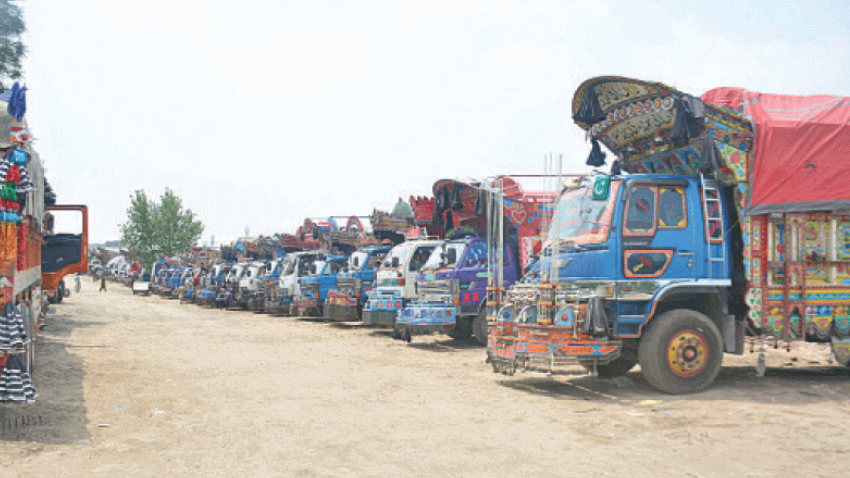
An indefinite nationwide strike by goods transporters could affect the movement of cargo between ports, markets, industrial areas, and cities. Businesses that depend on road transportation may face delays if the shutdown continues for an extended period.
The impact will largely depend on the duration of the strike and whether the government and transport representatives reach an agreement. A prolonged disruption could also put additional pressure on businesses already facing high transportation and operating costs.
What happens next?
The government’s scheduled meeting with the transport alliance could determine the next stage of the dispute.
A committee representing the transporters will present their concerns during the talks and seek solutions to their major demands. If the negotiations result in an agreement, the alliance may review its decision and consider ending the strike.
However, if the key demands remain unresolved, transporters could decide to continue their nationwide protest. The coming talks will therefore be important in determining whether freight movement across Pakistan returns to normal or the disruption continues.