

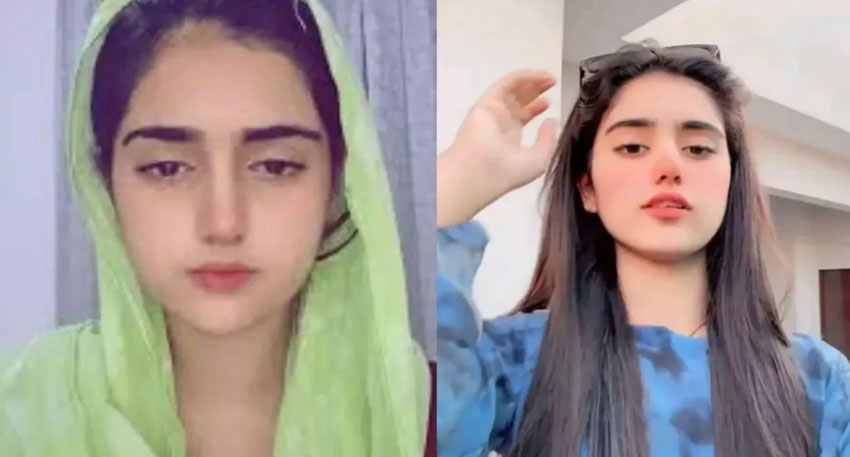
At the start of 2026, Pakistan’s social media platforms were once again gripped by chaos when one name abruptly surged to the top of online searches — Fatima Jatoi. Within hours, terms such as “Fatima Jatoi leaked viral video,” “10:39 clip,” and “Dubai video” began dominating Google trends, TikTok searches, and Telegram channels.
What followed was predictable yet dangerous. While thousands rushed to speculate, many others clicked blindly on suspicious links. However, the real story behind this viral frenzy is not about a hidden video — it is about digital deception, artificial intelligence misuse, and organized cyber scams.
Who is Fatima Jatoi and why her name matters
Fatima Jatoi is a Pakistani social media personality who built her audience through cultural expression rather than controversy. Known for her Sindhi attire, modest lifestyle content, and calm on-screen presence, she represents a category of creators who gained popularity through identity, tradition, and relatability.
Also Read: Iranian scholar got killed by protestors
Her rise reflected how regional culture found space in modern digital platforms — making her sudden association with scandal both shocking and suspicious.
How the “Leaked Viral Video” narrative was manufactured
The controversy did not originate from any credible source. Instead, anonymous accounts began spreading vague claims about a private video, carefully avoiding proof while repeating specific details like:
A precise runtime of 10 minutes 39 seconds
A supposed foreign location
Claims of “media silence”
These elements are common in manufactured online scandals, designed to make false content sound authentic.
Soon after, dozens of websites and Telegram pages appeared, promising “exclusive access” — a major red flag.
The 10:39 Formula: why scammers use exact timings
Cybercrime analysts explain that exact timestamps are rarely accidental. Numbers like 10:39 are intentionally used to:
Increase believability
Exploit human curiosity
Manipulate search algorithms
In reality, users who click these links are redirected to malicious pages, not videos. The goal is data theft, not disclosure.
Deepfake technology and digital character assassination
Experts believe this case aligns with the growing misuse of AI deepfake tools. These tools allow criminals to:
Overlay faces onto unrelated footage
Clone voices using seconds of audio
Repackage old videos with new false claims
Such content spreads rapidly because it appears real — long before verification can catch up.
Why Dubai was dragged into the rumor
Adding an international location instantly amplifies a rumor. Dubai is frequently used in viral scandals because:
Influencers often travel there
It creates mystery
Audiences assume secrecy
However, travel alone is not evidence, and no authority or verified source has linked Fatima Jatoi to any wrongdoing abroad.
A repeating pattern seen across South Asia
This tactic has been used before against multiple influencers. In many past cases:
The videos never existed
Links led to scams
Victims suffered irreversible reputational harm
The Fatima Jatoi leaked viral video case follows this exact blueprint.
Also Read: Eligibility criteria for Green Tractor Scheme phase 3
The real cost: Mental health and reputation
Even false allegations leave permanent scars. Victims often endure:
Intense online abuse
Family and social pressure
Loss of professional opportunities
Long-term emotional stress
The digital world moves on — but the damage stays.
Public advisory: why clicking can be dangerous
Cybersecurity officials warn users to avoid any link claiming to show a leaked viral video. Such links may:
Steal login credentials
Install spyware
Access private photos and messages
Many users report compromised devices within minutes.
Legal risks under Pakistan’s cyber laws
Under PECA 2026, even passive involvement can lead to punishment. Crimes include:
Sharing unverified explicit content
Downloading fake videos
Forwarding rumors
Penalties range from heavy fines to multi-year prison sentences.
Final reality check
Let’s separate truth from noise:
No verified leaked video
No confirmation from trusted media
High probability of scam networks
Strong signs of AI misuse
Serious legal consequences for sharing
Also Read: Winter relief for students announced
Final verdict: The real scandal is digital crime
The Fatima Jatoi leaked viral video story is not about exposure — it is about how easily reputations can be destroyed in the age of AI.
It proves one thing clearly:
In 2026, curiosity without verification is dangerous, and one careless click can turn an ordinary user into a victim — or even a criminal.


