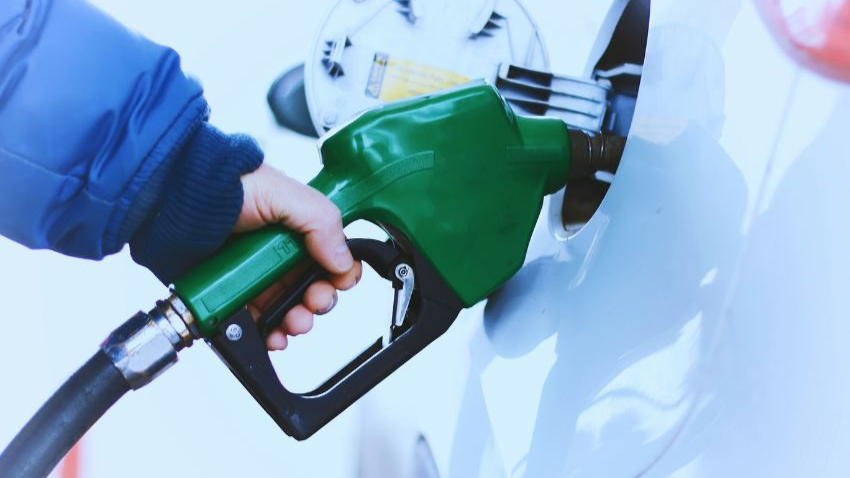
Pakistan is exploring a work from home policy as part of a national energy conservation strategy to control fuel consumption after the possible disruption of the Strait of Hormuz shipping route. The move comes amid growing regional tension and global oil market uncertainty.
Authorities are reviewing emergency measures under a national action plan aimed at stabilizing petroleum supply chains and maintaining domestic fuel price stability. The proposal is under consideration by a cabinet committee responsible for monitoring petroleum availability, fuel imports, and price fluctuations.
The potential work-from-home implementation is linked to efforts to reduce non-essential fuel consumption, particularly diesel and transport energy demand. Pakistan’s diesel supply is highly dependent on long-distance maritime cargo shipments, including fuel imports from Gulf markets.
Also Read: How many days of petrol, LPG and LNG does Pakistan have amid war?
Officials stated that the country currently maintains approximately four weeks of petroleum reserves, including petrol and diesel stockpiles. However, policy planners are focusing on reducing unnecessary fuel usage to prevent panic buying and supply pressure.
Energy management experts are also evaluating additional demand-reduction strategies beyond remote working arrangements. These include promoting digital office systems, encouraging flexible working hours, and exploring alternative maritime supply routes through the Red Sea and regional Gulf ports.
Government authorities confirmed that there is no immediate fuel shortage risk. Citizens are urged to avoid panic purchasing while fuel distribution systems remain operational. Provincial governments may coordinate with federal authorities if global shipping disruptions continue.