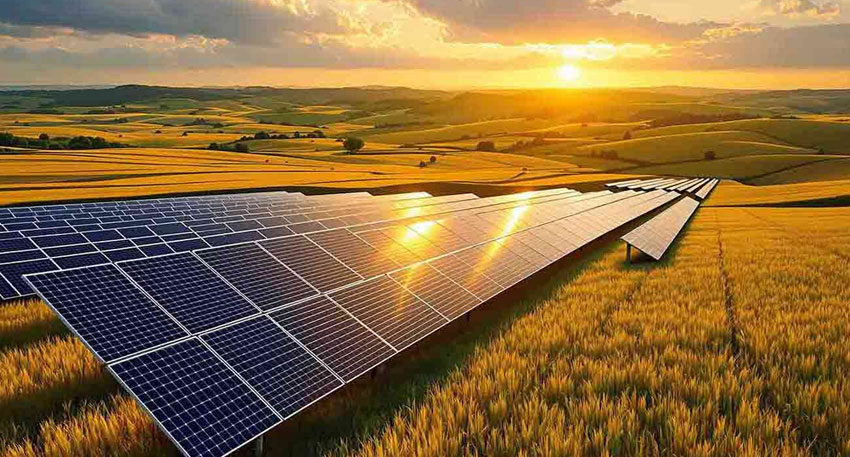
Recent policies related to the solar energy sector are making it harder for people to install new systems. The federal body Power Planning and Monitoring Company has directed electricity distribution companies that if solar generation load on a transformer reaches 80 percent, no new solar connection should be approved.
This decision is not limited to Lahore. It will also apply to other distribution companies such as IESCO, MEPCO and FESCO. Experts say this means permission for new solar systems will now depend strictly on transformer load capacity.
For systems above 250 kilowatt, a mandatory load flow study will be required. This could affect many residential and commercial areas where people are planning larger installations.
Read more: Nepra warns high electricity tariffs due to surplus capacity - will bills rise again?
The government says these steps are being taken to improve power flow, increase voltage stability and protect the national grid. However, solar energy expert Yasir Siddiqui believes these restrictions are unfair for consumers. He says instead of stopping solar users, the government should increase the overall capacity of the grid.
He added that grid electricity without solar support is expensive and less efficient, which increases the burden on consumers.
In addition, the government has imposed a 10 percent tax on imported solar panels. This has pushed up the overall cost of solar systems, making it difficult for middle-class families to shift to clean energy.
Experts believe these measures are mainly aimed at controlling circular debt in the power sector and balancing capacity payments made to Independent Power Producers. Still, they argue that instead of blocking solar growth, the government should prepare the grid for solar expansion, promote battery storage and hybrid systems, and offer better net billing rates.
Self-consumption solar systems are still beneficial, but practical reforms are needed to truly support renewable energy in Pakistan.
These restrictions may slow down solar growth. People may hesitate before investing. If grid capacity improves, confidence can return. Clean energy needs long term planning, not short term limits.