

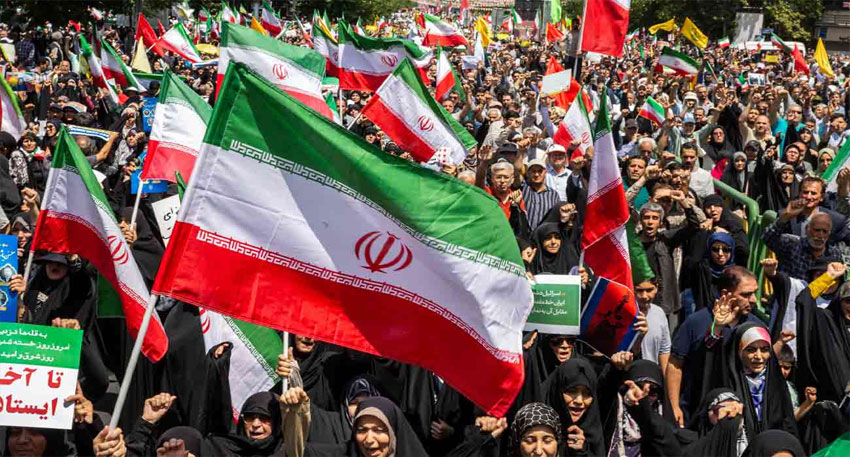
Iran’s ongoing unrest took a darker turn after renowned intellectual Dr Farajullah Shushtari was killed during violent protests in the city of Mashhad, further intensifying tensions already gripping the country.
According to Iranian media reports, Dr Farajullah Shushtari was the son of former IRGC commander General Noor Ali Shushtari, making his killing a major shock for political and academic circles alike. His death has added to growing concerns over the rapidly deteriorating security situation in Iran.
Violent protests have now entered their second consecutive week, having initially erupted in the capital Tehran before spreading to all 31 provinces of the country. The unrest has escalated to such an extent that authorities have suspended internet and mobile phone services nationwide, with reports of complete communication blackouts emerging from several areas.
Also Read: Winter relief for students announced
The worsening situation has also disrupted international travel. Foreign airlines have cancelled flights to Tehran, severely impacting air traffic and stranding passengers. In Tehran and Isfahan, enraged protesters reportedly set fire to public and private property, while in Fardis city, reports suggest police opened fire on demonstrators.
Iranian officials say the death toll from the riots has risen to 62, including 14 security personnel. To restore order, a heavy deployment of security forces has been made across sensitive locations.
Also Read: SSGC announces 24 hours gas suspension schedule
Educational activities have also been affected. Tehran University administration announced that all classes will be held online from January 10 to January 14, allowing only students with scheduled examinations to enter campus.
The killing of Dr Shushtari has further deepened fears that the crisis may escalate if calm is not restored soon.


