

250,000 Pakistanis rush to register as Hajj policy 2027-2030 approved
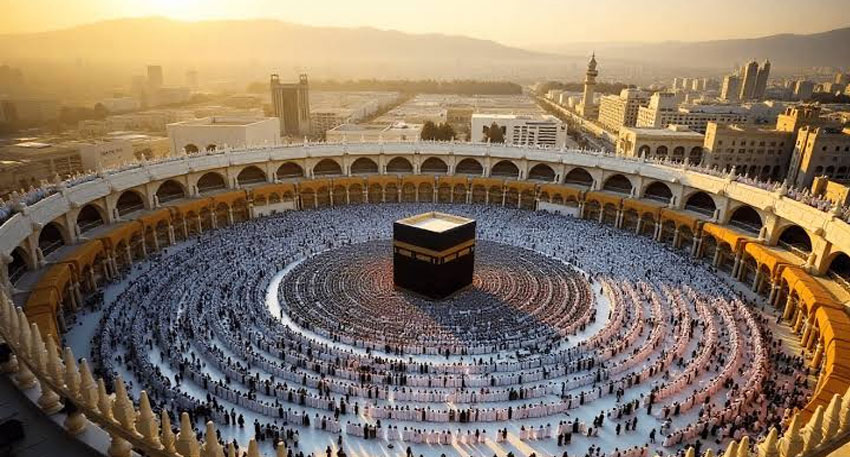
Pakistan has already started preparations for Hajj 2027. Around 250,000 people reportedly completed mandatory registration within just 15 days, highlighting strong public interest in the upcoming pilgrimage.
The federal cabinet has approved Pakistan’s first-ever four-year Hajj Policy and Plan covering the period from 2027 to 2030. Officials say the move is aimed at improving long-term planning and making the pilgrimage process easier for citizens.
Previously, Pakistan announced a separate Hajj policy every year. Under the new framework, pilgrims will no longer need to complete registration annually if they wish to perform Hajj in future years.
One-time registration for future Hajj pilgrims
The new policy allows people to register once and remain eligible for Hajj up to 2030. Pilgrims will be able to choose their preferred year instead of repeating the registration process every year.
Authorities said a priority waiting list will be maintained based on registrations. This system is expected to help manage applications more effectively and improve transparency.
Focus on better planning and facilities
According to the government, the policy has been designed to improve operational efficiency and provide better facilities for pilgrims. Standard operating procedures and implementation rules will be prepared to support the new system.
Officials also noted that changes can be made to the policy whenever required. Any amendments will ensure continued compliance with Saudi Arabia’s laws and regulations.
Shariah-compliant savings scheme to be introduced
The government plans to launch a Shariah-compliant savings programme for aspiring pilgrims. The initiative will help people gradually save funds and prepare financially for their pilgrimage.
Authorities believe the scheme could make Hajj planning easier for many families. It may also encourage more people to begin saving for the pilgrimage at an earlier stage.
Digital transformation of the Hajj system
The government has announced plans to digitise the entire Hajj management system. Digital payments, complaint management services and monitoring mechanisms will become part of the new framework.
Officials say technology will help improve efficiency and make services more accessible. The changes are also expected to reduce delays and improve communication with pilgrims.
New packages and stronger support measures
The policy includes separate quotas for government and private Hajj schemes. It also introduces both short-duration and long-duration Hajj packages to meet different needs.
Mandatory pilgrim training, Takaful arrangements and emergency response measures have also been included. These steps are intended to improve safety, awareness and overall support for pilgrims.
Transparent appointments and growing interest
The federal cabinet has directed that Hajj assistants be selected through a transparent and merit-based process. Officials believe this will improve service quality during the pilgrimage.
Also read: Pakistan unveils major Hajj 2027 App update with new online features
Pakistan has already started preparations for Hajj 2027. Around 250,000 people reportedly completed mandatory registration within just 15 days, highlighting strong public interest in the upcoming pilgrimage.
The four-year Hajj policy marks a significant shift from the previous annual system. If implemented effectively, it could make planning easier for pilgrims and help authorities manage Hajj operations more efficiently.