Punjab approves separate religious curriculum for minority students
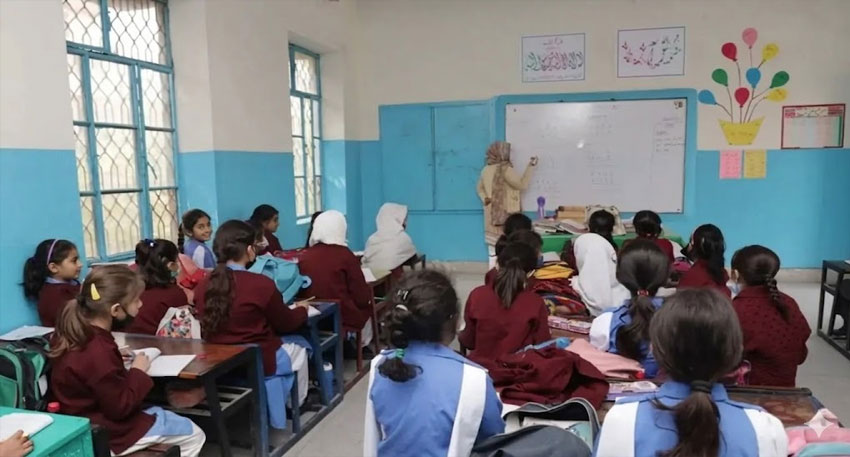
The Punjab Curriculum and Textbook Authority (PCTB) has issued an official notification confirming that the new syllabus will be introduced from the 2026–27 academic session.
The initiative aims to provide minority students Punjab with religious education based on their own faiths and traditions.
According to officials, the new religious curriculum Punjab has been designed to promote inclusion, mutual respect, and equal learning opportunities in Punjab schools.
Authorities believe the move will help students better understand their religious identity while strengthening diversity in classrooms.
Under the approved framework, Christian students from Grades 1 to 9 and Grade 11 will study “Christian Education” as a dedicated subject. Hindu students in Grades 1 to 3 will follow “Sanatan Dharma”, while Sikh students in the same grades will study “Sikh Dharma”.
Also Read: Lahore schools to get mobile libraries under ‘Libraries on Wheels’ project
For the first time, the Punjab Curriculum and Textbook Authority has also introduced “Kalasha Education” for students belonging to the Kalasha community.
In addition, Buddhist students will study a Buddhism curriculum, while Zoroastrian students will receive instruction through a Zoroastrianism curriculum.
Officials said the new religious curriculum Punjab ensures that minority students Punjab can learn according to their own beliefs rather than relying on a general religious studies model. The goal is to make education more representative of the province’s diverse communities.
The Punjab Curriculum and Textbook Authority has directed all education boards, district education authorities, and relevant institutions to prepare for the rollout.
The new textbooks will be introduced in Punjab schools beginning with the 2026–27 academic year.
Education experts say the decision could improve the learning experience for minority students Punjab by giving them access to structured religious education that reflects their cultural and spiritual backgrounds.
The move is being seen as a major step toward educational inclusion and diversity, with policymakers hoping it will create a more welcoming environment in Punjab schools for students from different faith communities.