


Govt to fix fuel prices daily as Iran-US war shakes global oil market
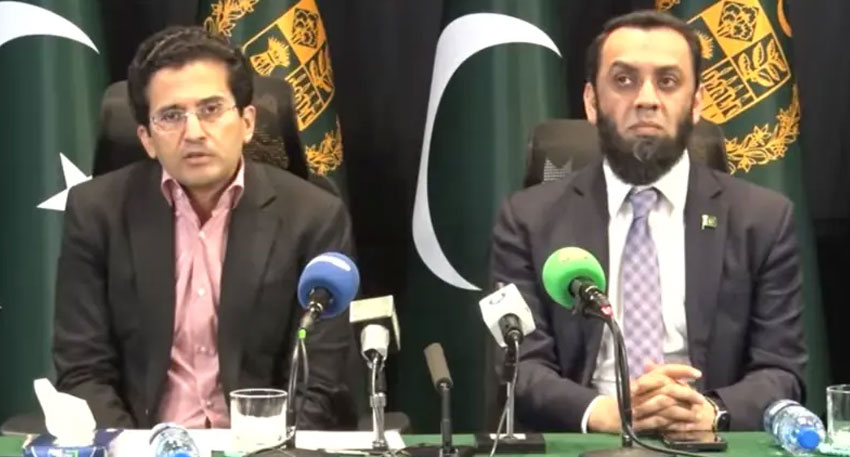
Petroleum Minister Ali Pervaiz Malik announced that fuel prices will now be determined on a daily basis instead of following the existing mechanism. He said the decision was taken because international market prices have become more volatile due to growing hostilities in the Persian Gulf region. The move is aimed at responding more quickly to changing international oil prices.
Speaking at a press conference alongside Information Minister Attaullah Tarar, the minister thanked citizens for what he described as their patience during a difficult period. He said the conflict between the US and Iran appears to be intensifying despite diplomatic efforts in the region.
According to the minister, the federal cabinet and Prime Minister Shehbaz Sharif have decided to assign the responsibility of daily fuel pricing to Ogra. The regulator will calculate prices based on movements in international petroleum markets.
He said Ogra will not only announce fuel prices but will also disclose the factors behind every adjustment. The government believes this step will improve transparency and help people understand why fuel prices rise or fall.
Malik acknowledged that the new system could increase pressure on consumers during periods of high global oil prices. However, he argued that the policy is necessary to ensure that local prices reflect international market realities.
The minister said the government remains committed to passing on the benefits of any future decline in global fuel prices. He pointed out that international market trends previously led to major reductions in domestic petroleum prices.
Also read: Oil prices surge as US-Iran tensions fuel supply fears
According to Malik, diesel prices had fallen from around Rs520 to nearly Rs300 when international rates dropped significantly. He also said petrol prices had witnessed reductions of around Rs70 to Rs80 during periods of declining global oil costs.
The new daily pricing mechanism will be based on a seven-day average of international market prices. Officials say the system is intended to reduce administrative intervention and allow prices to adjust more naturally according to global trends.
The minister also revealed that a special committee on energy pricing and energy security has already held several meetings. He said a long-term post-war energy strategy is expected to be finalized within the next 15 to 20 days.
The new policy could make fuel prices change more frequently than before. Consumers may benefit when global oil prices fall, but they could also face quicker increases during international crises. The success of the system will depend on transparency and stability in global energy markets.