

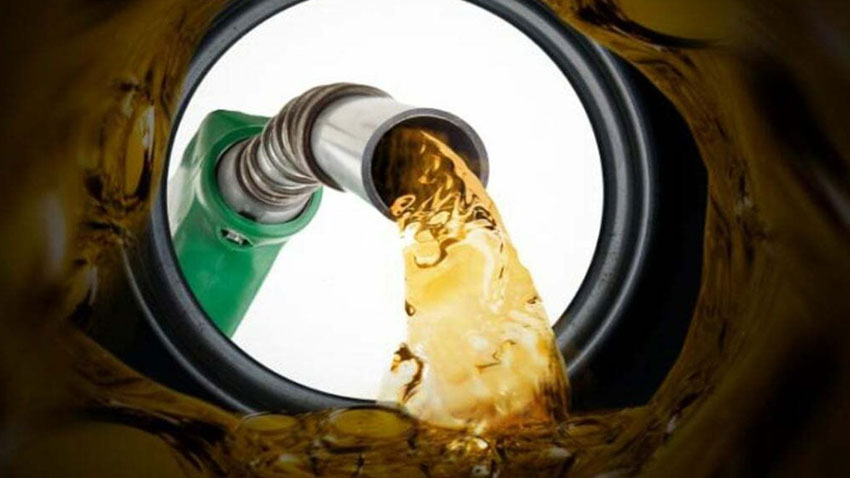
Citizens are being asked to adopt practical steps in daily life and transport habits to save fuel.
Prime Minister’s Advisor on Political Affairs, Rana Sanaullah, spoke after Eid prayers, saying Pakistan faces internal and external challenges, and the political and military leadership are working to address them effectively.
On Afghanistan, he said, “Pakistan does not want war nor does it intend to occupy any part of Afghanistan. Our only demand is that Afghan territory should not be used for terrorism against Pakistan. If Afghanistan provides assurance on this, there is no conflict.”
To cut petroleum use, people can rely more on public transport, including buses, metro systems, and shared rides. Carpooling among office-goers, students, and neighborhood groups can also reduce fuel demand and save money.
Read more: Is CM Maryam’s govt giving free transport on Eid like Basant relief?
Switching to electric vehicles such as cars, motorbikes, and rickshaws can further lower petroleum dependence. Government incentives, tax breaks, and expanding EV charging infrastructure can encourage more people to adopt electric transport.
Fuel-efficient driving habits also matter. Maintaining vehicles, driving at moderate speeds, avoiding unnecessary trips, and planning errands efficiently can save a significant amount of fuel.
Alternative fuels like CNG, LPG, biofuels, and solar-powered options provide cleaner energy sources. Individuals, industries, and transporters can gradually adopt these fuels to reduce petroleum use.
For short distances, walking, cycling, or using e-bikes and scooters is practical and eco-friendly. Cities can promote bike-sharing programs and micro-mobility to reduce reliance on fuel-powered vehicles.
Read more: Gold sees 40 year biggest weekly drop amid Gulf war and investor panic
Remote work and online services for shopping, banking, and government work can cut unnecessary travel, lowering fuel consumption and traffic congestion. Government support through subsidies, awareness campaigns, and incentives for alternative fuels is essential to motivate citizens to make these changes.
By making smarter travel choices, using cleaner fuels, adopting electric vehicles, and following government guidance, Pakistan can reduce petroleum use by 50%. Small steps by millions of people can save money, protect the environment, and build a sustainable future.


