

While Eidul Fitr is a deeply spiritual and religious celebration marking the end of Ramazan, Basant represents a vibrant cultural tradition associated with the arrival of spring. Both festivals bring joy, unity, and large-scale public participation, yet their significance, purpose, and management differ greatly. The recent revival of Basant in Lahore, along with government facilitation such as free transport, has sparked an important discussion about whether similar should also be extended during Eidul Fitr.
Basant 2026 in Lahore – A Historic Revival
In 2026, Lahore experienced the long-awaited revival of Basant after a gap of nearly 25 years. This major cultural comeback was made possible under the leadership of Chief Minister Maryam Nawaz, who emphasized the importance of preserving cultural heritage while ensuring public safety.
The festival was celebrated from February 6 to 8 and turned the city into a lively hub of activity. Rooftops were filled with families and friends, music echoed through neighborhoods, and the skies were decorated with colorful kites. The enthusiasm of citizens reflected how deeply rooted Basant is in the cultural identity of Lahore.
However, unlike the past, this revival was not without strict control. The government implemented the Punjab Kite Flying Ordinance 2025 to regulate all activities. The objective was to prevent the tragic incidents that had led to the original ban, particularly those caused by dangerous kite strings.
Only traditional cotton strings with minimal glass coating were permitted, while metallic, nylon, and chemically treated strings were strictly banned. Law enforcement agencies remained active throughout the event to ensure compliance.
Specific locations were designated for kite flying, including Greater Iqbal Park, Jilani Park, and Model Town Park, which helped in crowd control and safety management.
Another significant safety measure was the mandatory installation of protective rods on motorcycles to prevent throat injuries caused by stray strings. Violations of rules, such as using illegal materials or allowing underage kite flying, resulted in strict penalties including heavy fines and imprisonment.
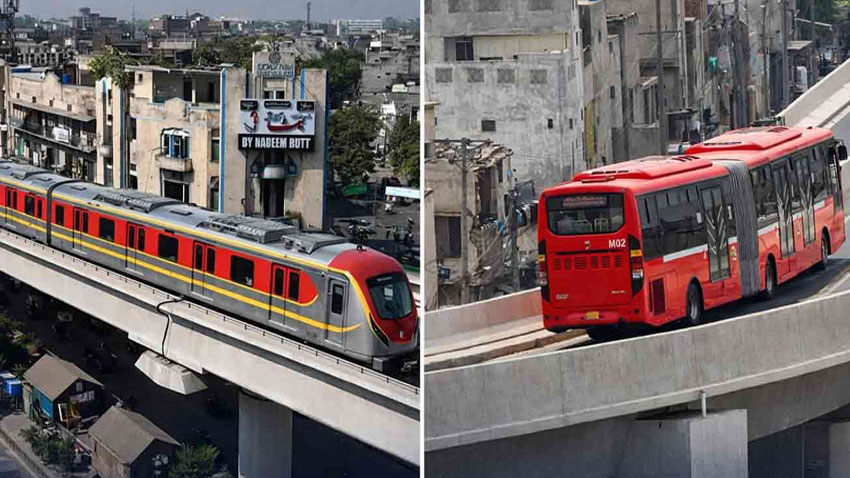
One of the most appreciated initiatives was the provision of free public transportation. A total of 419 buses, including metro services, were made available free of cost for three days. This not only encouraged public participation but also reduced traffic congestion and ensured safer travel across the city.
Economically, the festival proved highly beneficial. Markets witnessed increased activity, food vendors thrived, and businesses related to kites and cultural items generated significant revenue, reportedly reaching hundreds of millions of rupees.
Importance of Eidul Fitr
Eidul Fitr holds immense importance in Islam as it marks the conclusion of Ramazan, a sacred month dedicated to fasting, self-discipline, and عبادت.
Eidul Fitr is not merely a celebration but a spiritual reward granted by Allah for completing a month of devotion. It symbolizes gratitude, patience, and faith. Muslims express their thankfulness by offering special Eid prayers in congregation, which strengthens unity within the community.
One of the most important aspects of Eid is Zakat al-Fitr, a form of charity given before the Eid prayer. This ensures that even the less fortunate can take part in the celebrations, highlighting the Islamic principle of equality and compassion.
The day begins with preparation, including wearing clean or new clothes, applying perfume, and attending Eid prayer. Afterward, people visit relatives, share meals, exchange gifts, and spread happiness. It is also a time to forgive past grievances and strengthen social bonds.
Eidul Fitr also carries deep moral and spiritual lessons. It teaches Muslims to remain patient during hardships and to continue acts of kindness beyond Ramazan. The festival reminds individuals of the importance of helping others and maintaining a strong connection with Allah.
In many countries, Eid celebrations extend for up to three days, turning it into a major social and national event. Despite its importance, public facilitation during Eid often remains limited compared to other events.
Importance of Basant Festival
Basant represents a colorful and joyful cultural tradition that celebrates the arrival of spring. It is especially significant in Lahore, where it has historically been one of the most anticipated festivals.
Basant reflects the artistic and lively spirit of Punjabi culture. Kite flying, music, traditional food, and rooftop gatherings create a festive atmosphere that brings people together regardless of age or background.
The festival also plays an important role in promoting tourism and economic growth. Visitors from different regions travel to Lahore to witness the celebrations, benefiting hotels, restaurants, and local businesses.
Moreover, Basant encourages community interaction and outdoor engagement, which strengthens social connections. The 2026 revival demonstrated that cultural traditions can coexist with modern safety measures when properly managed.
Eidul Fitr vs Basant – Focus on Transport
key difference highlighted during Basant 2026 was the availability of free public transportation. The government ensured that citizens could travel safely and conveniently without financial burden.
Read more: Maryam Nawaz launches Pakistan’s first AI-driven public office in Punjab
In contrast, during Eidul Fitr—despite its nationwide importance—people often face increased transport fares, overcrowding, and travel difficulties, especially when visiting relatives or attending Eid prayers.
Considering the immense religious and social significance of Eidul Fitr, it is reasonable to suggest that the government should extend similar facilitation as provided during Basant.
Such an initiative would not only bring convenience but also reflect the government's commitment to public welfare during a sacred festival.
Read more: How will Maryam Nawaz’s Skill City create jobs for Punjab youth?
Both Eidul Fitr and Basant are significant in their own ways—one representing spiritual fulfillment and the other cultural celebration. The successful management of Basant 2026, particularly the provision of free transportation, offers a valuable model for future planning. Extending similar facilities during Eid ul-Fitr would enhance the experience of millions of citizens and ensure that the joy of the festival is accessible to all.


