

Why ‘Ghost School’ film banned in Sindh? SHC questions delay in screening
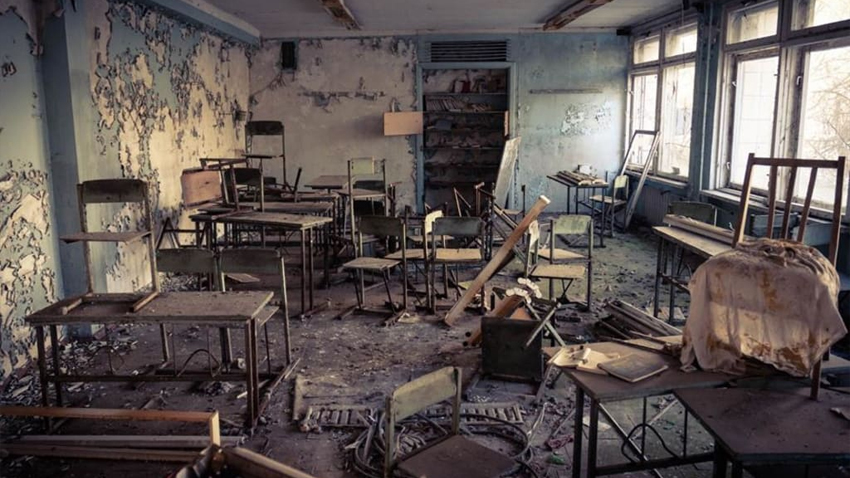
The censor board has been directed to hear all sides again and issue a decision within two weeks.
The petitioner’s lawyer, Mueez Baig, argued that there was no legal basis for stopping the film’s screening in Sindh. He said the film had already won a Best Director award at the Asian Film Festival in the UK.
Filmmakers say they were not heard
The lawyer told the court that the filmmakers were not issued a show-cause notice before the screening was stopped. He also said they were not given an opportunity to present their position before the decision was made.
The lawyer said the federal authorities had already allowed the film to be released. However, he pointed out that the film could be screened in cantonment areas of Karachi but not in areas controlled by the Sindh government.
Court questions censor board
The court questioned the secretary of the Sindh Censor Board about the reason for refusing permission. Justice Adnan Al-Karim Memon asked whether the film contained ghosts that were preventing approval.
The secretary replied that he could not disclose details because the decision to censor the film belonged to the board. The judge told him that the court needed to know the reasons behind the decision and that the authorities could not withhold relevant information.
Fresh decision ordered
The secretary said he was not hiding anything and requested more time to submit the board’s response. The court then directed the Sindh Censor Board to hear the parties again before deciding the review application.
The petitioner’s lawyer said both the Central Board of Film Censors and Punjab’s censor board had already approved the film. He argued that the Sindh Board of Film Censors was the only authority refusing permission for its screening.
Legal grounds questioned
The lawyer said the Sindh Motion Pictures Act 2011 allows a film to be denied a censor certificate only on specific legal grounds. He argued that the film did not fall under any of the reasons mentioned in the law.
According to the lawyer, restrictions can apply if a film contains material against religion, national security, international relations or public morality. He said the Sindh censor board’s decision did not appear to fall under any of these grounds.
Film highlights ghost schools issue
The lawyer also explained that ‘Ghost School’ focuses on the issue of ghost schools. He argued that the film addresses a social issue and should therefore be allowed to reach audiences in Sindh.
The high court’s order means the censor board must reconsider the matter after hearing the concerned parties. The board has been given two weeks to issue its fresh decision.
The case has raised questions about how film screening decisions are made across different provinces. The approval given by federal and Punjab authorities, alongside the Sindh ban, has added another layer to the dispute.
The next decision by the Sindh Censor Board will determine whether the film can be screened in Sindh. The court’s order also gives the filmmakers another opportunity to present their case.
Also read: Sindh shifts students as 6,220 school buildings declared unsafe
Also read: Punjab plans new curriculum for primary schools


