

Punjab plans new curriculum for primary schools
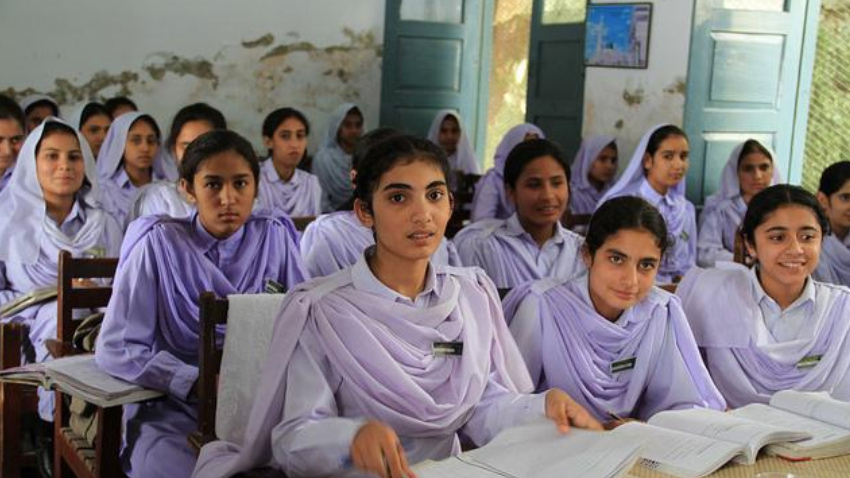
The new approach aims to move away from traditional rote learning and encourage students to understand, observe, question, analyse and solve problems.
District Education Officer (Primary Women) Dr Hajra Shaheen said the curriculum was being designed to make learning more engaging, practical and suitable for children’s age and learning needs.
The proposed changes could mark a major shift in how primary school students are taught in government schools across Punjab.
New curriculum to move away from rote learning
Speaking to the media, Dr Shaheen said the new curriculum would focus more on understanding rather than simply memorising textbook material. Educational concepts would be taught through activities to help students understand lessons in a more practical way.
The content would also be designed according to students’ age, mental capacity, and learning requirements. The aim is to make classroom learning easier to understand and more useful for children during their early years of education.
Students learn through activities and observation
Under the proposed system, children would have more opportunities to learn through observation, practical experience and classroom activities. Teachers would encourage students to take part in discussions, ask questions and share their views during lessons.
Students would also be encouraged to observe situations and draw their own conclusions instead of relying only on memorised answers. The new method aims to develop independent thinking and improve problem-solving skills from an early age.
Teachers to play a more active role
Teachers are expected to play a key role in implementing the new curriculum. Dr Shaheen said educators would involve students more actively in classroom activities and encourage them to participate in the learning process.
Teacher training would also form an important part of the new education system. Teachers would receive training in modern teaching techniques and activity- and concept-based learning methods to help them adapt to the proposed changes.
Curriculum to be shorter and age-appropriate
The new curriculum also aims to reduce unnecessary academic pressure on young students. Dr Shaheen said progress had been made towards making the Grades 1 to 5 curriculum shorter, simpler and more suitable for students’ ages and learning abilities.
Also Read: Cambridge O Level and IGCSE results 2026 to be released today at 10am
The content would also be aligned with modern educational requirements. The government hopes that simpler and more focused learning material will help children understand lessons better without placing excessive pressure on them.
New textbooks planned for 2027-28 academic session
Textbooks based on the new curriculum are expected to be prepared and published for the 2027-28 academic session. The introduction of new books would support the shift towards activity- and concept-based learning in primary schools.
The curriculum is currently being developed as part of broader efforts to modernise Punjab’s education system. The success of the new approach will largely depend on effective teacher training, suitable textbooks and proper implementation in classrooms.
Punjab also plans to introduce AI education
Punjab is also working on other initiatives to modernise education. Dr Shaheen said the province plans to introduce artificial intelligence education at the primary level from the 2027-28 academic session.
The proposed initiative reflects an effort to familiarise students with modern technology from an early stage. However, further details about the structure and content of AI education at the primary level have yet to be announced.
Why the new curriculum matters
Dr Shaheen said strengthening children’s educational foundations at the primary level was essential because learning habits developed during the early years can have a lasting impact on future academic performance. A stronger focus on understanding and practical learning could help students develop confidence, creativity and independent thinking.
The proposed curriculum also seeks to make education more meaningful by connecting classroom lessons with practical activities. If implemented effectively, the new system could bring a significant change to primary education in Punjab and reduce reliance on traditional memorisation-based learning.


