



Wheat, flour and roti prices will rise amid market concerns? Govt takes steps
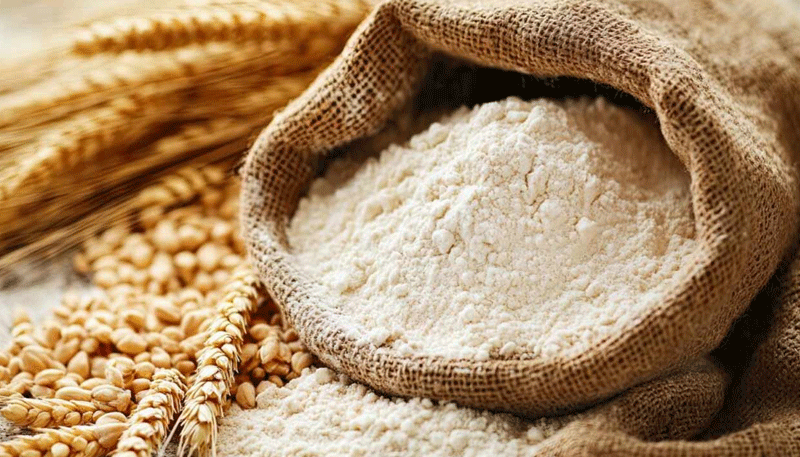
The decision aims to ensure affordable food supplies for the public. The Punjab government has started issuing wheat from its official reserves as part of a major effort to control prices. Authorities hope the move will help maintain stability in the market and prevent sudden increases in food costs.
Director General Food Punjab Amjad Hafeez said government wheat has been supplied to flour mills at a rate of Rs3,800 per maund. He added that wheat prices will be gradually reduced further over time.
He said the government is committed to keeping wheat and flour within the reach of ordinary citizens and low-income families. According to him, one million metric tons of wheat from PASSCO is being transferred to the Punjab government.
Amjad Hafeez explained that the transfer is intended to ensure an adequate supply of wheat across the province. He said the release of official stocks will continue under a planned and coordinated strategy.
The Food Department is also closely monitoring wheat and flour prices in the market. Officials have warned that strict legal action will be taken against anyone involved in creating an artificial shortage of wheat or flour.
Also read: Petroleum products price hike feared in Pakistan amid global oil surge
The development comes after the Nanbai Association recently threatened to shut down tandoors. Bakers argued that rising costs have made it difficult to continue selling bread at current prices.
United Nanbai Association President Aftab Aslam Gul demanded that the price of a simple roti be increased to Rs25. He said selling roti at the existing rate is no longer financially viable.
According to Aftab Aslam Gul, an increase of Rs9 in roti prices has become unavoidable. He urged district authorities to revise bread prices immediately to reflect rising expenses.
The association also called for an end to gas load-shedding and lower flour prices. It said affordable flour and properly weighted flour bags would help bakers sell roti at lower prices.
The government’s latest move is being seen as an attempt to ease pressure on consumers and prevent food inflation. Many people are now watching closely to see whether the release of wheat stocks leads to lower market prices.
The release of government wheat stocks could help improve supply and reduce pressure on flour prices. If implemented effectively, the step may support efforts to keep roti affordable for consumers.
However, bakers continue to face rising operational costs. Future price stability may depend on wheat availability, energy costs and market conditions across the province.