

Oil prices slip as Iran talks raise hopes of Strait of Hormuz breakthrough
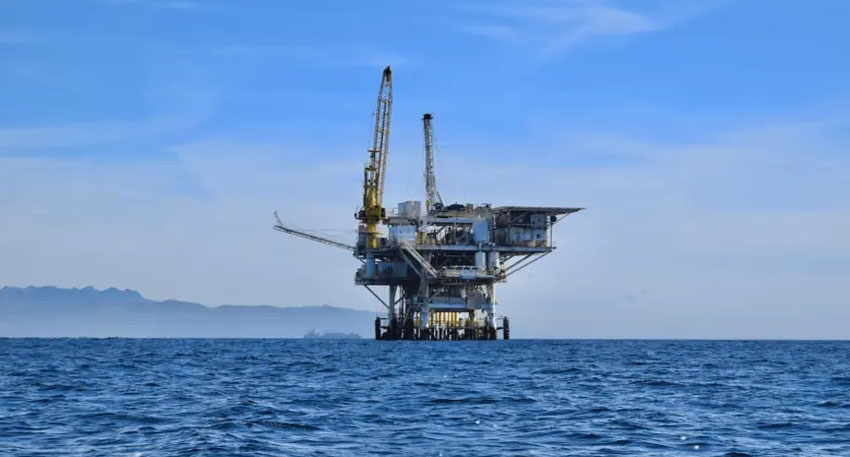
Global oil prices today moved lower on Thursday as investors closely monitored diplomatic talks between Iran and Oman, hoping the negotiations could pave the way for a broader agreement between the United States and Iran. While optimism over possible progress weighed on crude prices, ongoing geopolitical tensions in the Middle East and uncertainty over shipping routes continued to limit sharper losses.
Brent crude and WTI decline as markets watch Iran talks
International benchmark Brent crude oil fell 37 cents, or 0.5 percent, to $79.08 per barrel. Meanwhile, US West Texas Intermediate (WTI) crude oil dropped 53 cents, or 0.7 percent, to $74.69 per barrel.
The decline came as traders reacted to reports that negotiations between Iran and Oman were making progress. Market participants believe the talks could help resolve the five-month dispute between Washington and Tehran and potentially lead to the reopening of the Strait of Hormuz, one of the world's most important oil shipping routes.
Energy analysts said investors are becoming increasingly optimistic that diplomatic efforts may reduce supply risks that have kept oil prices elevated in recent months.
Investors await a final US-Iran agreement
According to economist Yuki Takashima, selling pressure increased after reports suggested positive developments in the Iran-Oman discussions.
He noted that crude prices have now returned to levels last seen after the temporary US-Iran ceasefire agreement reached on June 17, indicating that markets are gradually pricing in expectations of a more permanent diplomatic settlement.
However, analysts cautioned that investors remain focused on whether the two sides can reach a final agreement. Any setback in negotiations could quickly reverse recent price declines and push oil markets higher once again.
Strait of Hormuz remains at the centre of global energy trade
According to Reuters, one proposal under discussion could allow Iran to play a supervisory role over vessels entering the Persian Gulf through the Strait of Hormuz.
The strategic waterway carries roughly one-fifth of the world's oil supplies, making it one of the most critical energy corridors for global trade. Any disruption to shipping through the strait has the potential to send oil prices sharply higher.
Although the proposal has attracted international attention, the US government has not publicly commented on the reported framework. American officials have previously made it clear that they would oppose any arrangement giving Iran complete control over the vital shipping lane.
Regional tensions continue despite diplomatic efforts
Despite optimism surrounding negotiations, geopolitical risks remain high across the Middle East.
Iran has warned neighbouring Gulf countries that key energy infrastructure could become a target if its territory comes under another US military strike.
At the same time, the Iran-backed Houthi movement in Yemen claimed responsibility for missile attacks targeting Saudi oil tankers near Yanbu in the Red Sea and the Gulf of Aden.
Saudi authorities have not confirmed the claims, but security experts say the continued threat of attacks on commercial shipping is keeping energy markets on alert.
The Red Sea remains an important maritime route for global trade, and any escalation could increase transportation costs and disrupt oil supplies.
US crude inventories rise unexpectedly
Adding further pressure on prices, the US Department of Energy reported that American crude oil inventories increased by 2.5 million barrels last week to 407 million barrels.
The rise surprised analysts, who had expected inventories to decline by around 1.5 million barrels.
Officials said the increase was mainly due to slightly lower refinery processing activity and higher crude oil imports during the reporting period.
Higher stockpiles generally indicate softer demand or increased supply, factors that often weigh on global crude prices.
What could happen next?
Oil market analysts believe price movements in the coming weeks will largely depend on three key developments: the outcome of the Iran-Oman negotiations, security conditions in the Middle East, and future US inventory data.
If diplomatic talks produce a lasting agreement and shipping through the Strait of Hormuz remains uninterrupted, oil prices could face additional downward pressure.
However, any military escalation, disruption to energy infrastructure, or attacks on commercial vessels could quickly push Brent crude oil and WTI crude oil higher again.
With geopolitical risks and supply concerns continuing to shape market sentiment, investors are expected to remain cautious as they await further developments from both the diplomatic and energy fronts.


