



Oil prices jump as Middle East tensions fuel market fears
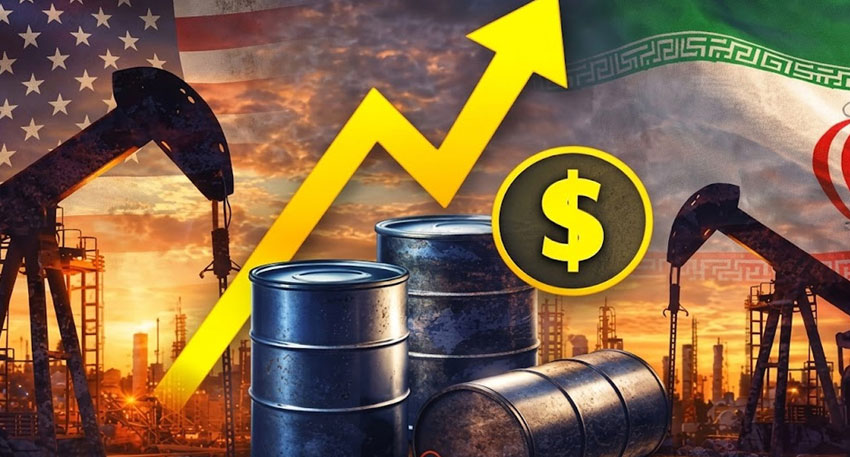
Global oil prices climbed sharply once again as growing tensions in the Middle East increased concerns about possible disruptions to energy supplies and international trade routes.
Market analysts said recent developments involving Iran and the United States have created fresh uncertainty in global energy markets. Concerns surrounding the Strait of Hormuz, a key route for global oil shipments, have further added to investor anxiety.
In international trading, Brent crude, the global benchmark for oil prices, rose by 3.75 percent to reach around $79 per barrel. Meanwhile, West Texas Intermediate (WTI), the US benchmark crude, gained 3.65 percent and traded near $74 per barrel.
The increase reflects fears that any escalation in regional tensions could affect oil production, transportation and exports from one of the world's most important energy-producing regions.
Analysts noted that geopolitical uncertainty, concerns over supply security and cautious investor sentiment are among the main factors driving prices higher. Traders are closely monitoring developments in the Middle East, where any major incident could have an immediate impact on global oil markets.
Recent statements and claims related to the Strait of Hormuz have also contributed to market volatility. Although some reports have not been independently verified, investors remain wary of potential disruptions that could affect the flow of crude oil through the strategic waterway.
Economic experts warn that if tensions continue or oil shipments face interruptions, crude prices could experience further fluctuations in the coming weeks.
Higher oil prices could eventually affect fuel costs, transportation expenses and inflation levels worldwide, creating additional challenges for economies already dealing with rising living costs and market uncertainty.