

Pakistan launches first Rs70 billion Panda Bond with ADB, AIIB support
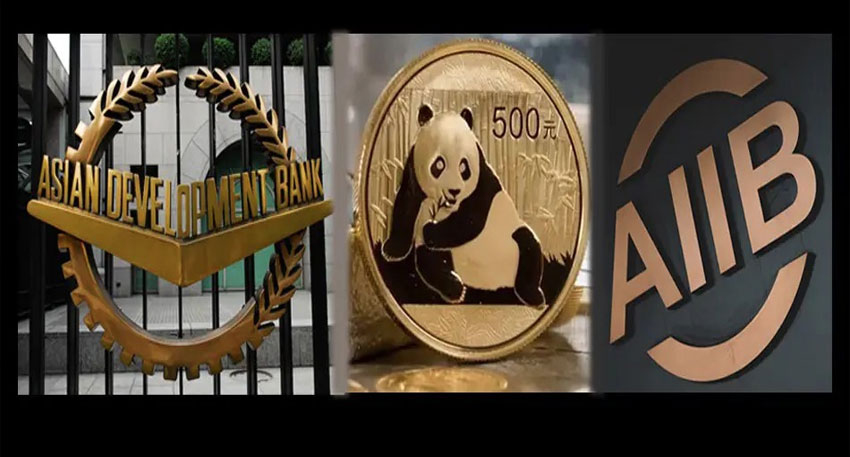
The move has marked a significant milestone in global capital markets. The issuance was supported by the Asian Development Bank and the Asian Infrastructure Investment Bank, according to an official statement.
The Panda Bond, denominated in Chinese yuan, reflects growing investor confidence in Pakistan’s economic reforms and financial stability. Officials stated that the bond received strong interest from investors, highlighting positive market sentiment and trust in Pakistan’s economic direction.
According to the ADB, the proceeds from the bond will be utilized to finance green and sustainable infrastructure projects across the country. These include key sectors such as water management, energy development, and healthcare infrastructure, all of which are critical for long-term economic growth and human development.
Also read: BISP shifts payment system to digital wallet to ensure transparency
The successful issuance also represents Pakistan’s first entry into China’s onshore bond market, opening new avenues for diversified funding and reducing reliance on traditional financing sources. Financial experts view this as a major achievement that enhances Pakistan’s integration into international financial markets.
The ADB emphasized that this development demonstrates global confidence in Pakistan’s ongoing economic reforms and policy direction. It also underlines the government’s commitment to environmentally sustainable and climate-resilient development strategies.
Furthermore, the initiative is expected to accelerate progress in green infrastructure and social development projects, aligning with global sustainability goals. By leveraging international partnerships and innovative financing tools, Pakistan aims to strengthen its economic resilience while addressing pressing development challenges.
The collaboration between Pakistan, ADB, and AIIB is being seen as a model for future financial cooperation in the region, particularly in promoting sustainable growth and infrastructure modernization.


