

What’s behind Saudi-Houthi fighting in Yemen, and what’s next?
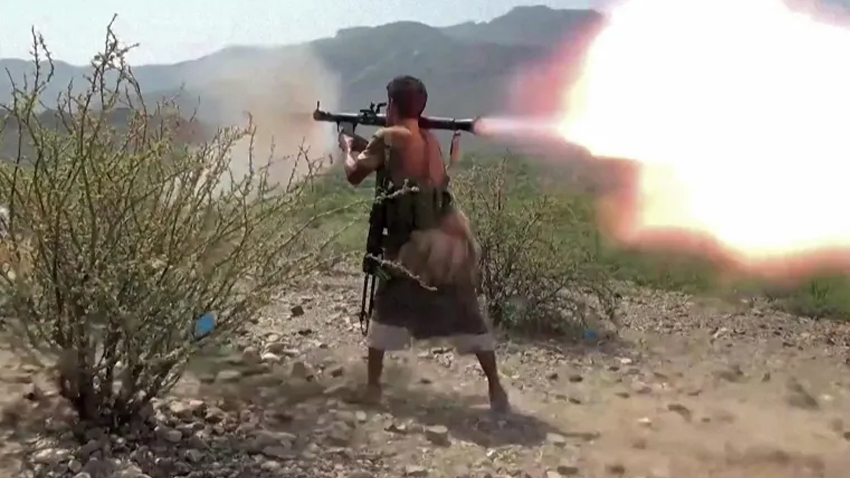
Saudi-Houthi fighting in Yemen intensifies
Saudi-Houthi fighting in Yemen has entered a more serious phase as the Houthis targeted energy facilities in southern Saudi Arabia. Riyadh said several energy-related sites were attacked and vowed a strong response.
The Houthis said they targeted Saudi Aramco facilities using drones and ballistic missiles. Their military spokesperson described the attacks as “a broad operation”.
Saudi authorities said attacks hit Abha, Khamis Mushait, Jizan and Najran. Saudi officials reported that at least 73 people, including women and children, were wounded.
Saudi Arabia and Houthis exchange attacks
The latest violence follows Saudi attacks on Houthi-held areas in several Yemeni provinces. The Houthis said Saudi aircraft and cruise missiles struck al-Jawf, al-Bayda, Marib and Taiz.
The Houthis also accused Saudi Arabia of an airstrike on a prison in al-Hazm, the capital of al-Jawf. They said seven people were killed and seven others were injured, although Riyadh did not immediately comment.
Yemen’s internationally recognised government has also launched a counteroffensive against Houthi positions. Government forces said they were pushing across several areas while the Houthis claimed to have stopped some advances.
The renewed fighting is the most serious escalation since a UN-backed truce stopped large-scale fighting in 2022. The earlier conflict lasted about eight years and killed tens of thousands of people.
Bab al-Mandeb becomes key focus
The fighting has increased concerns around the Bab al-Mandeb Strait, which connects the Red Sea with the Gulf of Aden. The waterway has become more important as restrictions around the Strait of Hormuz have affected major energy routes.
The Houthis have moved towards areas near the Red Sea shipping route and declared a blockade against Saudi shipping in July. Saudi-backed government forces say their wider campaign is aimed at taking back Houthi-held areas, including Sanaa.
Saudi Arabia has also become more dependent on its Red Sea export route because of the situation around the Strait of Hormuz. Between March and mid-July, Saudi seaborne crude exports through Bab al-Mandeb were eight times higher than during the same period in 2025.
About 4.1 million barrels of crude oil and petroleum products passed through Bab al-Mandeb each day on average in 2024. That was around 5 percent of the global total, highlighting the importance of the waterway.
International Crisis Group analyst Ahmed Nagi said the Houthis’ movement towards the western coast has both military and maritime importance. He said greater control of the coast could allow the group to maintain pressure on shipping in the Red Sea.
What could happen next?
Saudi Foreign Minister Prince Faisal bin Farhan al Saud said the kingdom “strongly condemns” the Houthi attacks. “The Houthis choose to prioritise their narrow interests over the interests of Yemen and resort to violence,” Prince Faisal said.
Despite the strong warning, the Saudi foreign minister said a diplomatic solution was still possible. “The road to diplomacy is not closed,” he said.
“Saudi Arabia will always support diplomatic solutions, but the kingdom will never hesitate to defend itself and its interests. We will use every tool to do our job and our duties.” The statement shows that Riyadh is keeping diplomacy open while also warning that it will defend itself.
Yemen’s government says its forces will continue fighting until state institutions are restored across the country. Government officials have also openly said their aim is to “retake Sanaa” and “liberate Yemen from the grip” of the Houthis.
The World Health Organization said at least 728 people had been killed or wounded in Yemen since August 23. It also estimated that about 21,000 people, or around 3,000 families, had been displaced from Taiz alone since Thursday.
The latest escalation is important because the fighting is spreading across several fronts. It is also creating fresh concerns about important Red Sea shipping routes.
The biggest risk is that attacks could continue near key energy and maritime facilities. If the fighting expands, it could put further pressure on civilians and make a political settlement in Yemen even harder.
The situation around Bab al-Mandeb is also worth watching closely. Any major disruption there could affect the movement of oil and other goods through an important global trade route.
Also read: Houthi attacks hit Saudi energy sites, leaving 73 injured
Also read: PM Shehbaz condemns Houthi attacks on Saudi Arabia


