

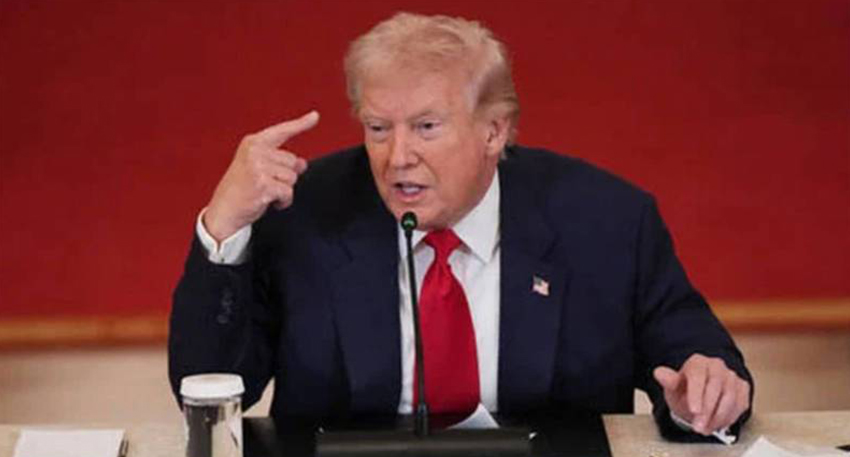
Several prominent US lawmakers have strongly criticized Donald Trump for his controversial and aggressive remarks against Iran, warning that such rhetoric could escalate tensions and lead to serious consequences.
Senators Condemn Trump’s Iran Threats
Leading US Senator Bernie Sanders described Trump’s threats as “dangerous,” expressing concern over what he termed reckless decision-making. Sanders urged the US Congress to take immediate steps to prevent further escalation and avoid a potential conflict.
Senate Majority Leader Chuck Schumer also lashed out at Trump, accusing him of behaving irresponsibly on social media. He warned that the president’s statements resemble open threats of war crimes and could damage US credibility on the global stage.
Calls for Constitutional Action
Adding to the criticism, Senator Chris Murphy called for invoking the Twenty-Fifth Amendment to the United States Constitution, which allows the vice president to assume presidential powers if the president is deemed unfit to perform duties.
Murphy stated that if he were part of the cabinet, he would push for discussions on activating the amendment, highlighting growing concerns within political circles over Trump’s conduct.
Also Read: Trump warns Iran of strikes if Hormuz not reopened by Tuesday
Additional Republican Backlash
Republican leader Marjorie Taylor Greene, once considered a close ally of Trump, has also broken ranks and criticized him sharply. She stated that Trump has “gone crazy” and warned that his policies are putting both American citizens and civilians around the world at risk.
She further claimed that the United States and Israel initiated an unjustified war and are now facing its consequences, highlighting deepening divisions within US political circles.
Rising US-Iran Tensions
The political backlash comes amid growing tensions between the United States and Iran, following Trump’s warnings of possible military action if diplomatic demands are not met.
Analysts warn that inflammatory rhetoric from top leadership could further destabilize the region, increasing the risk of confrontation and undermining ongoing diplomatic efforts.
Iranian presidential spokesperson Mehdi Tabatabaei stated that Iran will only reopen the Strait of Hormuz if war-related damages are compensated. He described Trump’s threats and language as an expression of frustration and anger.
Political Fallout Intensifies
The criticism from senior lawmakers reflects deep divisions within US politics over foreign policy and the handling of sensitive international crises. Calls for restraint and constitutional checks signal growing unease about the direction of US strategy toward Iran.


