

Oil washes ashore on Iranian islands after Hormuz tanker blasts
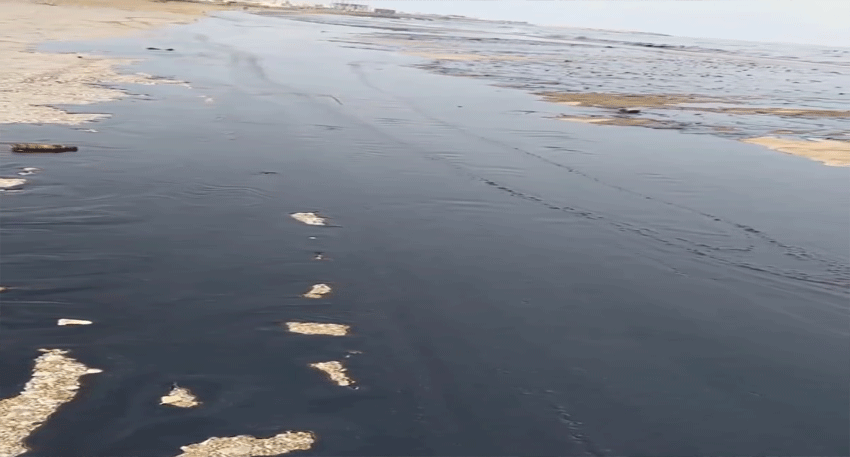
Reports of contaminated shorelines
Footages circulating on social media, show patches of oil-stained debris on sand along the coast of an Iranian island in the strait.
The reports follow weeks of tanker incidents in the waterway, which separates Iran from Oman and the United Arab Emirates and serves as the world's most important oil shipping corridor.
The UK Maritime Trade Operations centre confirmed on August 6 that a tanker passing near the Omani coast in the Strait of Hormuz had reported multiple explosions, the latest in a string of similar incidents reported over the preceding weeks.
Video Shows Iranian Island Beaches Blackened by Crude Oil After Tanker Explosions in Strait of Hormuz
— EuroPost Agency (@EuroPostAgency) August 11, 2026
Heavy crude slicks wash ashore across regional islands following multiple mine explosions and vessel strikes along the critical maritime choke point. #EuroPost pic.twitter.com/1xVxM05rcU
A pattern of tanker explosions
Iranian state-linked media outlets, including Tasnim and Mehr, have reported several separate tanker explosions in the strait since late July, with officials attributing at least one blast to a vessel striking a naval mine after straying from routes designated by Tehran.
Iran's Revolutionary Guard has separately said the strait would remain effectively closed to uncoordinated shipping for the duration of ongoing military operations, warning that any vessel transiting without prior coordination with Iranian authorities would face similar consequences.
These incidents follow the collapse of a brief US-Iran memorandum of understanding in early July, after President Donald Trump declared the agreement over and accused Tehran of violating its terms, a breakdown that came alongside earlier attacks on tankers in the strait.
Satellite images previously confirmed spills near Iranian islands
This is not the first time oil contamination has been documented near Iran's Hormuz Strait islands during the current conflict. Satellite images captured by the European Space Agency in April showed a spill stretching more than five miles near Qeshm Island, Iran's largest island in the strait, traced by environmental group Greenpeace Germany to an Iranian vessel damaged in an earlier US strike.
A separate image from the same period showed oil contamination around Lavan Island after a nearby oil facility was reported damaged.
Environmental experts have warned that continued spills threaten fragile marine ecosystems throughout the Persian Gulf, including fish stocks that coastal communities rely on for their livelihoods, as well as marine life such as turtles, dolphins and whales that risk ingesting oil or becoming trapped in slicks.
Also Read:Mohsin Naqvi meets Iranian leaders to revive stalled MoU talks
Wider risks to the region's environment and economy
Roughly a fifth of the world's oil supply normally passes through the Strait of Hormuz, making any prolonged disruption or environmental damage there a matter of global economic concern as well as a regional ecological one. Experts have separately flagged risks to desalination plants along the Gulf coast, which many communities depend on for drinking water and are vulnerable to oil contamination at intake points.
Neither Iranian authorities nor international maritime bodies had issued a detailed, formal assessment of the shoreline contamination shown in recent social media footage at the time of publication, leaving the full extent of the damage to Iranian island coastlines unconfirmed through official channels.